![]() |
||||||||||||||
![]() |
An Introduction:True wireless home theater is still the unattained ideal many home theater owners would love to achieve. Thanks to advancement in new wireless technology, things are changing fast, and wireless systems are becoming better, cheaper, faster, and easier to use and install, however... As things stand today, the term wireless in the audio and video world does not mean 'wireless' - rather all that it means is less wires. And this applies to any wireless speaker system presently available on the market. Still, this in itself can turn out to be a great advantage to many. Home theater systems are synonymous with a huge mass of home theater cables that are not only unsightly, but also difficult to troubleshoot should problems arise. Concealing this mass of cables is surely not a straightforward job. This being especially so if you do not have pre-wired walls and ceilings for an in-wall home entertainment wiring solution. Professionals can do the job for you but it will surely turn out to be expensive, and often difficult to manage. Unfortunately, eliminating the mass of cables and interconnects between system components is still not a completely viable option. But reducing the clutter, yes. In particular, today's wireless home theater systems primarily focus around the use of wireless speakers systems to eliminate trailing speaker wires around the room perimeter when installing rear speakers in a surround sound setup. Sending audio across rooms in the home through a wireless link is also starting to emerge as a viable option. ...but this is as far as today's mass-market wireless solutions go. It is not that advanced wireless technology isn't available. Both Bluetooth and WI-FI are readily available to help you expand your wireless networking from a simple home office to a fully integrated home entertainment system. Yet, even though there are already several products on the market with wireless support - including set-top boxes, wireless speakers systems, media players, and the like - a full wireless home entertainment solution is still not a true mass-market proposition. Admittedly, things are changing fast, and what was unattainable and unaffordable up to the recent past, is becoming attainable, affordable and better than ever. Of particular interest in wireless home entertainment is the effort by a number of manufacturers like NETGEAR, Actiontec, D-Link, etc., with their Wireless Digital Media Players.
Even
if you have a computer with Windows XP Media Center,
Vista Home Premium or Vista Ultimate edition, you can use your
Xbox 360 or a
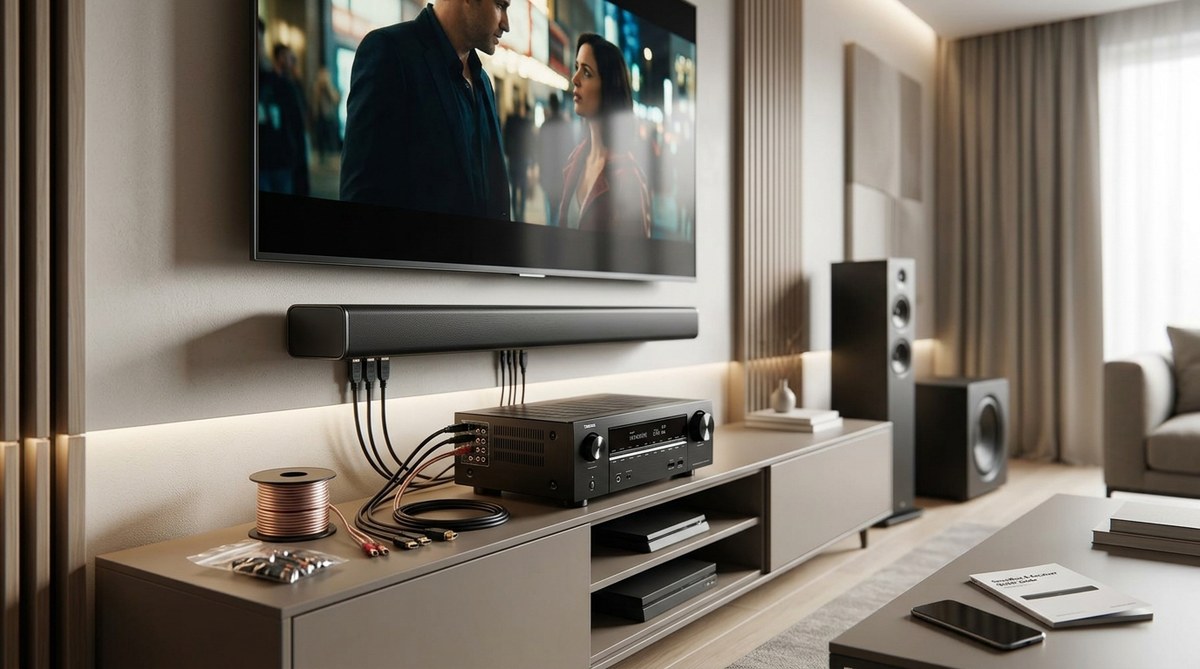
Media Center Extender Furthermore, for less than $300, it is possible to get access to video, photo and music files from anywhere within the home network, whether it being your home PC, internet, etc. Digital Media Players use your existing TV or Home Entertainment system to play digital audio and video files. These come with a remote control and an intuitive on-screen menu for easy access of digital content through your TV screen. However... It is true that wireless media players provide for ease of integration of audio and video data from PCs or any other device accessible through the home network. Yet there is still no complete wireless home theater solution that many would dream of, where all audio and video systems are interlinked through a wireless setup. In this article, we take a closer look at wireless speakers systems, the technology in use behind these systems, and the available solutions from major manufacturers. Wireless Home Entertainment: The Hard FactsThe use of audio and video interconnects will still remain for a number of years to come. Quality, security, and pricing, are among the main issues which manufactures of wireless home entertainment systems have to work out before this technology can be delivered at a price that is appealing to the mass-market. This does not mean that wireless technology isn't already providing a helping hand in the home theater and home entertainment. Full PC/home theater integration through a wireless solution is already easily achieved. And there is more... Technology has evolved to the point where, setting up say a wireless speaker system for the rear speakers or a multi-room installation, is often as simple as taking the wireless speaker kit out of the box and power it on. Some affordable wireless systems (like the Rocketfish RF-WHTIB reviewed on our site), are so good that once installed, you would soon forget there are no wires in between! We still say that as yet, wired sound quality is superior. But the gap between wired and wireless speakers systems has diminished to a point where with certain sound mixes, it would prove hard to perceive any difference in sound quality. Wireless Speakers Systems - Understanding the TechnologyIn order to understand the technology behind wireless speakers systems, first one must realize that there is truly no complete wireless speaker system. These systems still require at least some connectivity to a power source. Wireless speakers systems require amplification either through an integrated amplifier or through an external unit; and you cannot amplify a signal without power! It is true that there exists a number of battery-powered wireless speakers systems. However, these would normally be more suitable for multi-room audio or for external use rather than for home theater. Battery power simply cannot provide sufficient audio power for home theater use in a viable manner. Therefore, the key factor with any wireless speaker setup is not a total wireless solution. Rather, it is the added flexibility and convenience of not having to wire the speakers all the way across the room or home. And this applies irrespective of whether this being for the rear surround, or for some remote speaker setup in a multi-room audio environment. When it comes to home theater wireless speakers systems, there are two main approaches: Add-on Units and Integrated Wireless Systems.Normally, these make use of wireless transmission over the 900Mhz or 2.4GHz bands to transmit audio signals using digital technology to the remote speakers. You may also find a few units operating in the 5.8GHz band. These units are less likely to suffer from interference from mobile phones, microwave ovens, and other household appliances operating in the 900Mhz or 2.4Ghz bands. Furthermore, most WLANs operate in the 2.4GHz range. At the same time, one cannot ignore the fact that 5.8GHz systems often support shorted distances. Typical Add-on Units consist of a small sender unit that connects either to the rear-channel speaker out on the A/V receiver, or to the line-level out on your video source. These units use wireless digital technology to transmit the audio signal to a powered audio receiver unit at the back of the room. The remote rear unit would normally employ built-in power amplifiers to drive the rear speakers. Ideally, these should be the same rear surround speakers that came with your home theater system, though any appropriate set of rear speakers will do. Connection between the rear receiver unit and the surround speakers is achieved through the use of normal speaker wire. All that remains to have a functional wireless speaker system setup is to plug the wireless sender and receiver units into convenient mains power outlets. These add-on units represent the ideal solution if you already own a home theater receiver complete with all the necessary speakers, and all you are looking for is a way to remove those unsightly rear speaker wires crossing the room. Add-on units with integrated power amplifiers in a wireless speakers system setup designed for home theater surround would typically deliver anything between 25W and 50W RMS per channel. This renders these systems compatible with entry to mid-level home theater systems. If you want more power for your rear wireless speakers, you will have to use add-on wireless speakers systems that hook into a suitable external stereo amplifier placed at the far end, to driver the surround speakers. But the role of add-on wireless speaker systems is not limited only to their use as a rear wireless speaker solution in the home theater. These units may very well serve as a convenient - possibly cheaper alternative to in-wall wiring - in a comprehensive home entertainment system in a multi-room audio installation. For reviews of available add-on wireless speakers systems, check our wireless speaker reviews here. Integrated Home Theater Wireless Speakers Solutions: If you are in the process of purchasing a completely new home-theater-in-a-box solution, a fully integrated home theater system with wireless rear-speakers would then represents a cheaper and more convenient alternative. These integrated solutions include an audio wireless set-up for the rear channel speakers. Integrated wireless solutions would normally support some interesting control features for the rear channel - in particular with respect to the delay settings - that are well integrated with the overall system menu. However, do not expect to find a large selection of wireless home theater systems. Your choice is very much limited in this respect - in particular if what you are after is an affordable solution that still provides good performance. However, you can still find a number of interesting products from major players such as Philips, Panasonic, Samsung, and Sony. For our reviews of available integrated home theater wireless speakers systems, check here.
|
Copyright © - Practical-Home-Theater-Guide.com All rights reserved. |
||||||||||||
|
Review Date:
Lots more info at Practical Home Theater Guide Suggested Further Reading:
PC - Home Entertainment Integration through Wireless Media Players
A Practical Guide to Wireless Headphones and Dolby
Headphone technology
Surround Sound
Formats Speaker Placement in Multi-Channel Audio Correct home theater speaker placement plays a critical role towards achieving that seamless ‘enveloping’ sound so important in the overall home theater experience.
Time Delay
Settings in Surround Systems
Home
Theater Equipment Placement
Selecting and Installing Speaker Wire
Home Theater Design:
Home Theater Room Design Basics (1):
Room Acoustics and Lighting
Set-up Discs and Video Calibration Solutions
Quick
Guide to DVI
HDMI
Cable Guide
HDCP and HDTV:
Audio Video
Equipment Racks A Quick Guide to A complete e-Book on how to research, design and build your own Home Theater. by Duncan McClelland
Wireless Speakers
Systems
Rocketfish Universal Wireless
Rear Speaker Kit
RCA 900MHz Wireless Speakers (Pair)
Acoustic Research 900MHz Wireless Stereo Speakers with Auto Tuning
Wireless
HTiBs
Panasonic SC-PT953 1100Watts Home Theater System with Wireless Rear Spkrs.
Sony DAV-HDX267W
|
||||||||||||||
|
|
||||||||||||||