site logo    

Home
HDTV Guides CRT TVs
LCD TV Guide
Plasma TV Guide
3D TV
Flat-panel TV Reviews Plasma TV Reviews
LCD TV Reviews
Best HDTVs
Projection Systems Projection TV
RPTV Reviews
DIY Projection TV
Projector Reviews
Projection Screens
Digital and Satellite Television Digital TV Guide
Satellite Television
Home Theater Audio Surround Sound
AV Amplifiers
Speakers
Wireless Home Theater Wireless Speakers
Headphone Guide
Media Players
Home Theater Guides Home Theater Design
Equipment Racks
AV Cables
HDCP
Set-Up DVDs
Power Protection
Books and Magazines Books / Magazines
Catalogs
Home Theater Ideas! Home Theater Sites
HT Pictures Gallery
Useful Links
Movie Posters MoviePoster Guide
The Poster Store
Shopping Online Price Search
Refurbished Products
Online Store
Website Information About Me
Website Content
Site Use & Dislaimer
Privacy Policy
Advertise
Site Search
Contact  Form
Site BLOG
E-zine Subscription
.
[?] Subscribe To This Site

XML RSS
Add to Google
Add to My Yahoo!
Add to My MSN
Subscribe with Bloglines


More on Home Theater Set-up DVDs will follow soon.


Subscribe to our free monthly e-zine to remain abreast with the latest additions to our website. 

Click here for details.


side navbar picture

Getting the Best out of your Audio/Video System
Home Theater Set-up DVDs


Set-up DVDs can help you squeeze a lot more out of your new big screen TV or AV receiver without calling a professional. Setting up your system by following the user manual is not enough. You need something to use as a reference against which to calibrate your system.


Digital Video Essentials HD Home Theater Set-up Disc

Digital Video Essentials HD
Combo HD-DVD and Standard DVD (NTSC)

Introduction:

You have just managed to buy one of the latest big screen plasmas or LCD HDTVs, or upgraded to a new home theater system.

You have also completed the system set-up process in line with the user's manual. Everything is set for the big event but... is it really so?

While some may look at getting a new TV as the final step in the process of getting a better picture, yet this is just the beginning.

The truth is that you can do a lot better and squeeze even more out of your system by following a few basic tips and by investing in a suitable home theater set-up DVD.

Unfortunate, some 90% of all HDTV owners never tweak their TV display and audio settings for best performance, and instead settle for a mediocre picture and sound.

Mind you, we are not saying that just by following a few key tips and by investing in a set-up DVD, you can do away with professional calibration. There are instances when you cannot do without professional help - especially if you need to open the back panel of your TV. But there are many situations where a good quality calibration DVD would do a lot towards helping you achieve better picture and improved sound.

The good thing about set-up DVDs is that you do not need to be a qualified AV professional to use one of these calibration discs to optimize your system settings for improved performance.

Set-up DVDs are relatively inexpensive; when you have already spent thousands of dollars on new audio/video gear and high quality cables, it surely cannot hurt spending 20 to 40 dollars more on a suitable calibration disc. The end result is a more rewarding home theater experience.

In this Guide to Home Theater Set-Up DVDs, we first discuss a few 'Quick Set-Up Tips', that you can follow to improve overall system performance even without having access to a set-up disc. However, relying on your perception of what appears to be the right settings has its serious limitations.

We then introduce you to 'Home Theater Set-up DVDs' and their role as DIY tools to calibrate system components.

We conclude this guide by presenting a number of Set-up DVD Reviews and A/V Calibration Tools to help you choice the one that suits you best.


Set-Up DVDs in Home Entertainment Systems

It is a fact that the average person spends hours in front of a TV whose picture is too bright, harsh, and with over-saturated colors, a picture that resembles everything except what you get in real life.

Reason? Many new TV and home entertainment system owners leave their system default settings untouched. But these are often configured by manufacturers to make an impact at your favorite electronic superstore. In other words, these are not optimized for your living room or home theater, but to help the Sales Rep get the sale!

Yet, with today's higher-quality high-definition plasmas, LCD HDTVs, rear projection TV giants, and affordable home theater projectors, TV images in the home can look much better than ever ...as long as you do not settle for the manufacturers' default settings.


Quick Do-it-Yourself Audio/Video Set-up Tips

There is a lot you can do to improve the picture quality and overall home theater sound performance even by just following through the simple set-up guidelines found on equipment user's manuals.

But irrespective of the user manuals that come what any TV or AV receiver, there are a few key steps that would not cost anything and that you can take to get the most out of your system.


Basic Television Set-Up Tips

Note that for best results, TV settings should be set to match the room ambient light and color. Proceed as follows:

Connect a DVD player to your TV using the best available input you can get. Load a DVD title you are familiar with and set the picture aspect ratio to letter box.  

Switch off any unnecessary lights and dim the room lighting to the typical setting you use when watching TV.  

Sit at your normal TV viewing position and proceed with the following settings using the TV remote:   

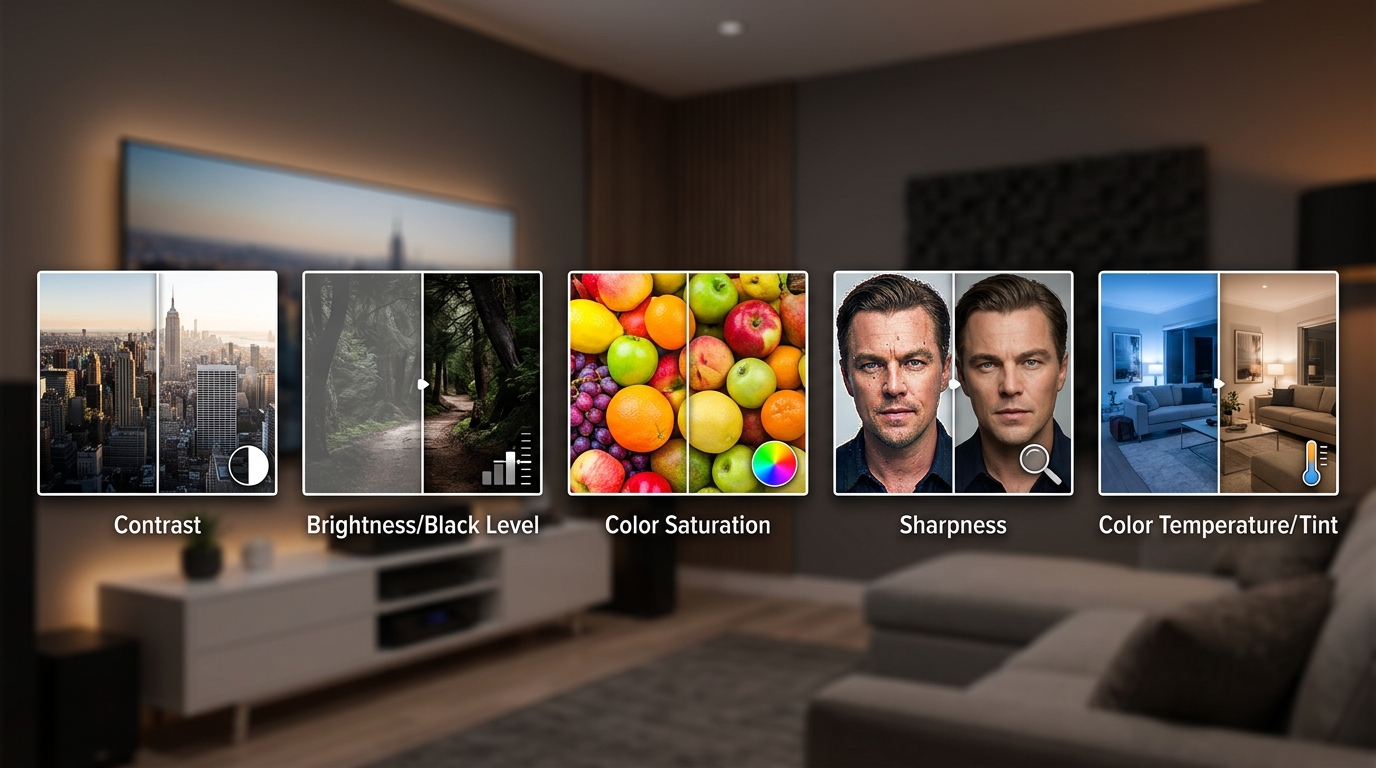
Tip #1- Brightness: This is a misnomer in that brightness is used to set the level of black in the picture. Adjust by first moving the slider all way up and then move down slowly till the letter box bars become just black while still leaving detail in the image dark content.    

Tip #2 - Contrast: This sets the peak white level i.e. the dynamic range between the black level and the peak white. Start by moving all way to maximum contrast and then down till you achieve a correct level of detail in the brighter areas of the image.   

Tip #3 - Color Temperature:   This will determine whether the image will look cool or warm. The ideal setting is 6500K. If your TV comes with high, medium, low settings for color temperature, choose medium or low. If these settings are not available on your TV, choose normal mode for daytime viewing and cinema mode for nighttime.    

Tip #4 - Color Saturation: Move slider control all way to the top, then move it slowly till skin tones on people faces start to appear natural without too much red. Similarly, check for green grass and readjust if necessary for a more naturally looking image.    

Tip #5 - Sharpness: Turn off edge enhancement if available and adjust sharpness by first moving the slider all way down. Then start to move the slider up to the point when the image just starts to turn harsh or jaggy; back off slightly for a correct setting.
 

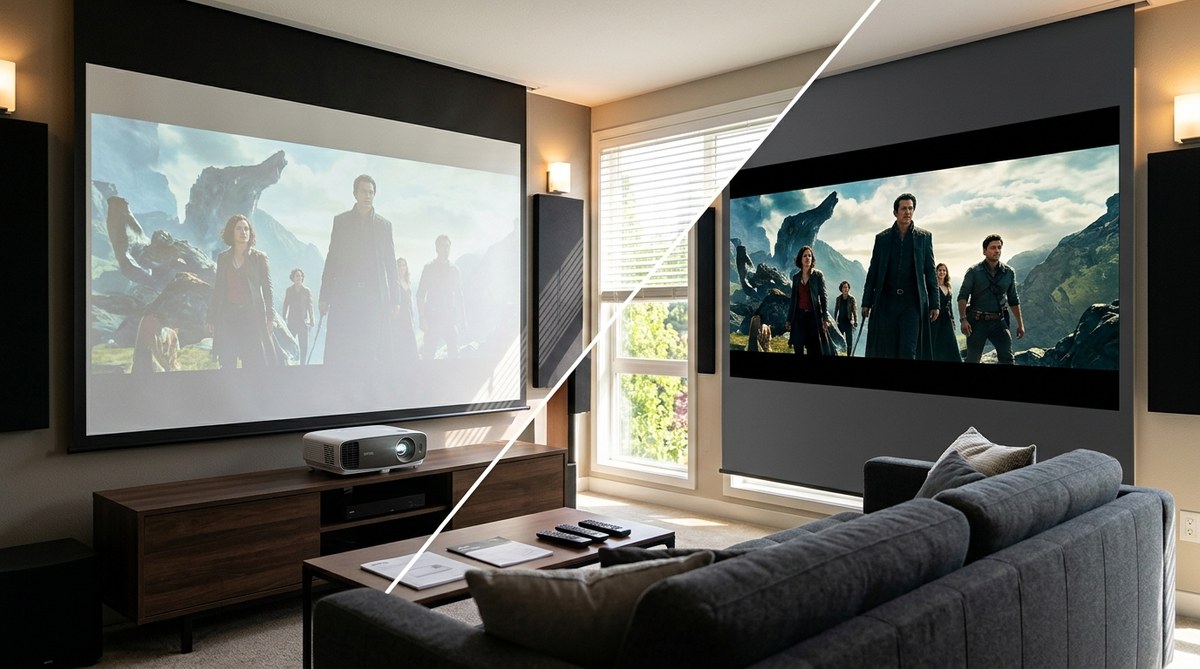
Video Set-Up: Steps like controlling the room lighting to reduce the ambient light with no direct light shining on the screen, and proper adjustment of the brightness level to get as much detail as possible in shadowy parts of the image, can do a lot towards a more rewarding TV viewing experience.

Similarly, a properly set contrast that still yields detail in the bright parts of the image, and correct sharpness level with any edge enhancement disabled, will deliver better results.

Likewise, correctly set levels for color saturation and hue (tint) for a more natural looking flesh tones, while choosing the right color temperature setting, will make the picture look more realistic and closer to what the director intended.

For a quick TV set-up, just follow through the process detailed in our 'Basic Television Set-Up Tips' box. You would not get perfect results but these simple steps will help you get an improved image that is significantly better than most out-of-the-box settings.

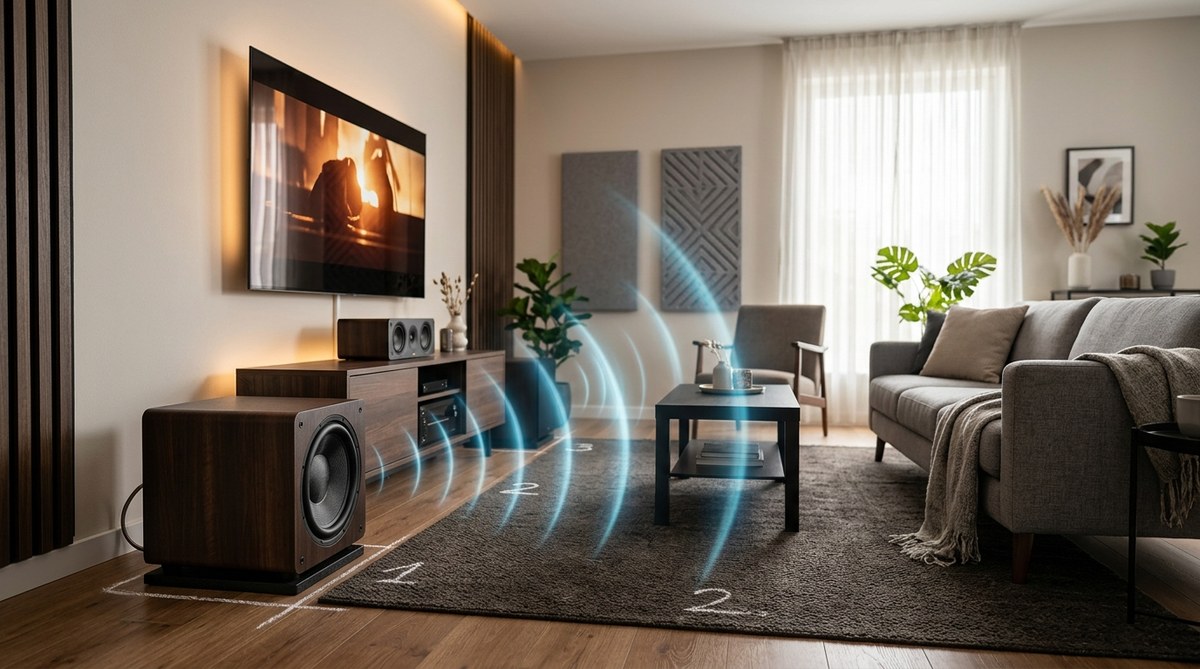
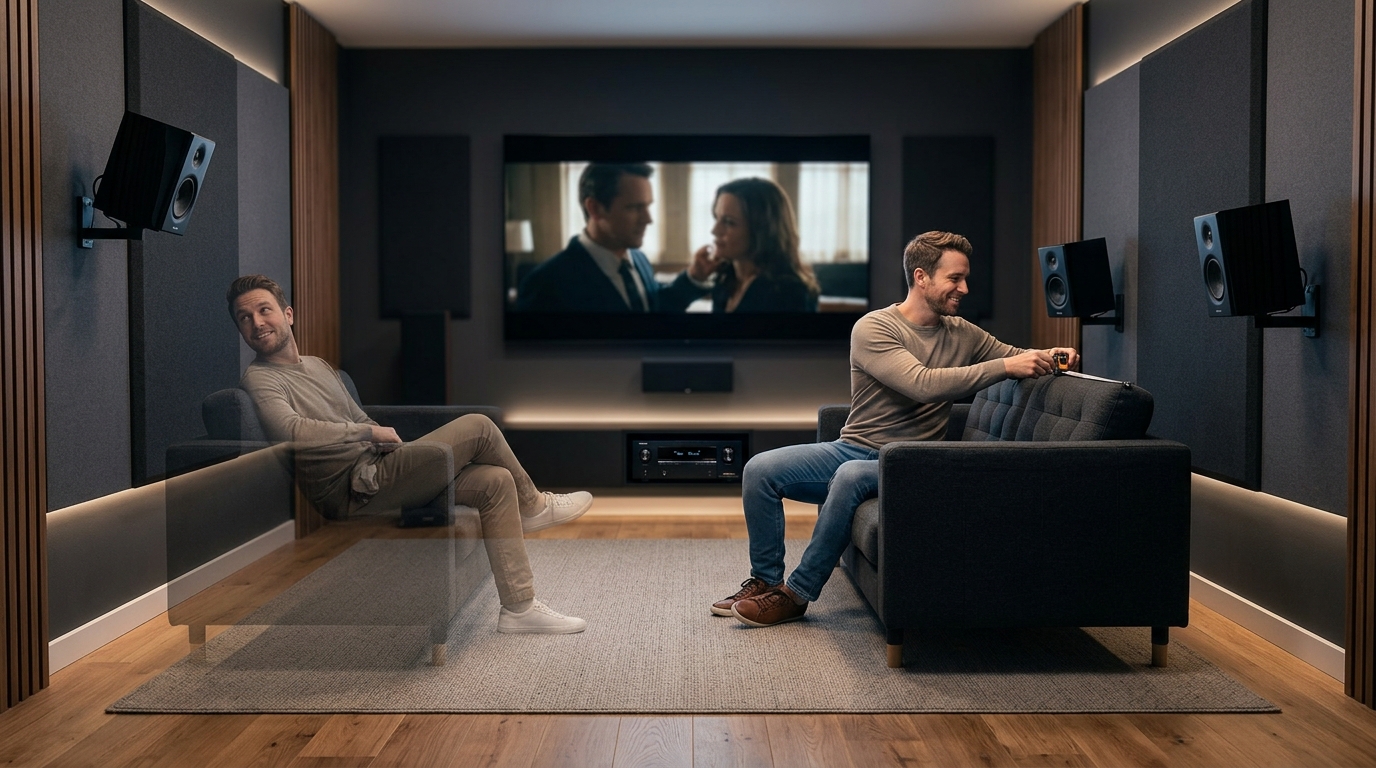
Audio Settings: Equally important is the proper setting of your home theater sound. A correct balance between the surround, center and subwoofer speakers, with respect to the main left and right in a multichannel audio set-up is critical.

A correctly balanced speaker system is one where the sound appears to detach itself from the speaker source.

Unfortunately many fail here, with the worst settings being mainly those related to the subwoofer. Often, users set the subwoofer levels too high - as if pumping in more power will yield better sound! In reality, a correctly set subwoofer is one that lets you 'feel' rather than 'hear' the bass.


Calibration DVDs - an Overview:

Following through the quick set-up tips detailed above will result in improved picture and sound. Yet, if you want to squeeze the best out of your system, this is not enough. You need to calibrate your equipment.

Calibration is the process of changing the settings on your audio or video gear to maximize the device output performance. Calibration cannot be done without a little help - you need a reference source against which to calibrate your equipment. It is in this respect that calibration discs, often referred to as 'home theater set-up DVDs', come into use.

Set-up DVDs are usually divided into two major sections:

An orientation how-to-guide to home theater systems and equipment set-up optimization.

A suite of video test patterns, reference footage, and audio test signals, to serve as reference when calibrating system components.

Often, the array of signals found on set-up DVDs can be further divided into basic and advanced, with each group designed for different users.

Basic Settings: The basic test patterns and troubleshooting tools can serve just about anyone with a minimum of home theater knowledge. Using the basic audio test signals and video patterns, a set-up DVD will walk you through the most important steps to calibrate and fine-tune system performance. Though different set-up DVDs differ, the end result is the same in that on completing the set-up process, you would have optimized the brightness, contrast, color temperature, sharpness and color saturation levels for your video display. Equally important, the basic set-up would also guide you to a correct balance between the different channels in a multichannel speaker set-up.

Each section typically starts with an explanation of the adjustments and why you are making them. You'll see sample test patterns and adjustments simulated so you will understand the change before taking the plunge.

While brightness and contrast level adjustments are done with the help of the test patterns provided using the unaided eye, color adjustments rely on the use of color filters that are normally included as part of the set-up DVD pack.

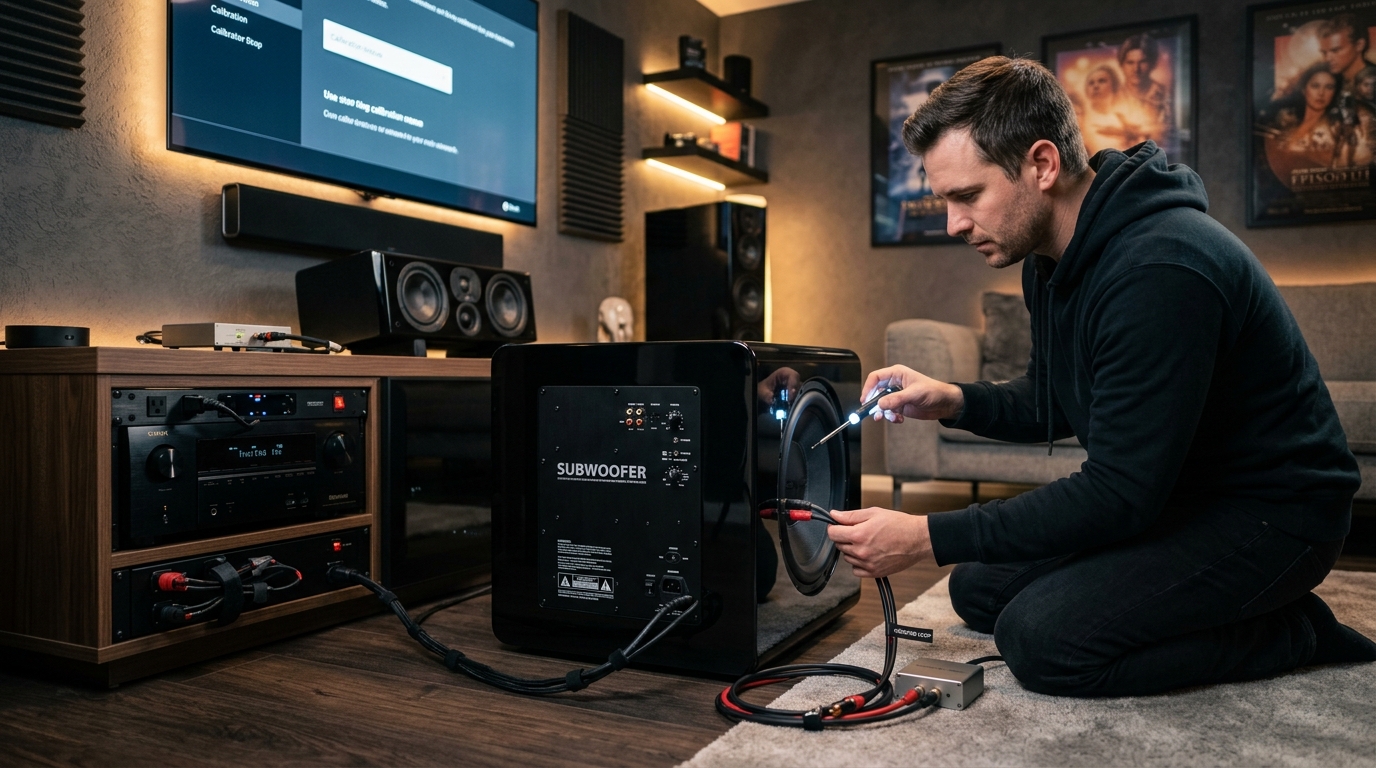
Setting sound levels is best accomplished with the test-tones provided on these set-up DVDs in conjunction with an audio sound level meter. It is true that you may proceed with the audio set-up using the unaided ear. You may even opt to do away with a set-up DVD and instead use the built-in test tones found on most home theater systems ...but results will vary considerably.

A sound pressure level meter is a must if you want to set the sound levels accurately. These are easy to use - normally it is just point and take the reading, and are readily available from any Electronics store, including amazon.

Setting up the sound using a sound pressure level meter and a set-up DVDs is a straightforward job. Even inexpensive options like the RadioShack Analog SPL Meter reviewed at Topreviewshop.com, or the digital Galaxy Audio CM130 SPL Meter pictured above, can do a great job in any home theater environment.

Advanced Settings: Some set-up DVDs like the DVE HD and the AVIA, include a whole suite of specialized test patters and audio signals. These specialized test signals are mainly of use to advance users and professional system installers who know how to use and interpret the results.

Most of these advanced patterns have to be used in conjunction with specialized test equipment like color analyzers and oscilloscopes, and therefore are best left for use by qualified trained professionals.


Set-Up DVDs - Which one to Choose?

Well, once you realize the potential that a set-up DVD holds, the main problem is one of choice. There are quite a number of calibration DVDs available for home theater use - all of which are capable of doing what they claim - that of helping you improve overall system performance. Yet all set-up DVDs are different both in content as well as in the way they help you optimize your system performance.

Though you do not need to be a qualified professional to use one of these set-up DVDs, yet for the non-technically minded, system calibration can turn out to be an intimidating process. Hence, opting for the right product will surely help make life a bit easier.

To help you discover which set-up DVD is most suitable for your needs, we have prepared a series of Home Theater set-up DVD reviews; reviewed products include:


Blue bullet

AVIA Guide to Home Theater

Blue bullet


Digital Video Essentials DVD

Blue bullet


Digital Video Essentials - HD New

Blue bullet  

Datacolor SpyderTV Video Calibration System

Strictly speaking, SpyderTV is not a set-up DVD but a colorimeter-based system that promises to deliver an easy-to-use solution designed to bring TV calibration to the home user at the fraction of the cost of an ISF calibration package.


For information on availability and reduced pricing at amazon for the featured set-up DVDs, please check out the following links:

AVIA II Guide to Home Theater (NTSC Version)

Digital Video Essentials (NTSC Component)

Digital Video Essentials HD DVD Set-up Disc

The Ultimate DVD - Home Theater Fine Tuning Made Simple

Colorvision STV100 SpyderTV


 Copyright © - Practical-Home-Theater-Guide.com  All rights reserved.


Search
Practical HT Guide
 in collaboration with

Google

Web

Practical HT Guide

Last Update:
16th February, 2008


Lots more info at

Practical Home Theater Guide


Reviews for selected setup DVDs are available under our
Home Theater Set-up DVD Reviews Section.

Reviewed DVDs include:

DVE High Definition New

Digital Video Essentials DVD

AVIA Guide to HT

Check also our review of the  Datacolor SpyderTV video calibration Kit


Related Technical Guides:

Choosing a Plasma Television
Discussing the features to look for when choosing your flat-panel Plasma Television set.

Guide to LCD HDTVs
LCD HDTVs are turning out sharper, bigger, better, and cheaper. Discover all you need to know about LCD TV sets in this series of articles.

Guide to Rear Projection HDTV Technology
Pros and Cons of the different rear projection technologies: CRT, DLP, LCD, and LCoS

Home Theater Projector Guide
Understanding the different characteristics of CRT, LCD, and DMD (DLP) projection technologies as applicable to front and rear projection TV applications.

TV Viewing Distance
Buying a big screen TV? Care should be taken as you may easily fall into the trap of buying a too large TV.

Home Theater Design:
A series of articles covering all aspects of a home theater from design to realization.

Home Theater Surround Sound
 This home theater guide takes a detailed look at the different sound formats and certifications in use today in the home theater world.

Speaker Placement in Multi-Channel Audio Correct home theater speaker placement plays a critical role towards achieving that seamless ‘enveloping’ sound so important in the overall home theater experience.

Time Delay Settings in Surround Systems
Directly related with your home theater speaker placement is a  correctly set surround sound field in multi-channel audio playback systems.


Home Theater Set-Up DVDs and Calibrations Tools
@

amazon.
com