left image


Home Page - Plasma TV Reviews - 2010 Samsung Plasma HDTVs - Part 3: Series 5 Review

Review Date: 30th July 2010


2011 Plasma TV Reviews and Product Guides

Featured plasma TV reviews and product guides

2011 LG Plasma HDTVs: A valid alternative often overlooked by many

Samsung Plasma HDTVs: Extensive features and solid overall picture quality

Panasonic Plasma HDTVs: Rated among the best in black level performance but...

 
Samsung popular 64-inch PN64D7000 3D Plasma HDTV

Samsung PN64D7000 64-Inch 1080p 600Hz 3D Plasma TV (available from amazon)

Samsung Series 5:
An overview

As highlighted in our introduction to this Samsung plasma TV review, Samsung Series 5 spreads over three sub-series, the C540, the C550, and the C590. Actually, Samsung website indicates a fourth sub-series, the C530, but no other info is available.

The C540 is the Series 5 that represents Samsung entry-level 1080p plasma HDTVs. It is a warehouse club exclusive and comes in two screen sizes - 50-inch and 58-inch.

Feature-wise, C540 Samsung Plasma HDTVs are the 1080p equivalents of the C450 but with added picture-in-picture support.

Other features include three HDMI; Samsung's WideColorEnhancer for a more natural colors;  Clear Image Panel; a Game mode; SRS TruSurround for an immersive sound via the TV stereo speakers; various power saving options including an eco-sensor that automatically adjusts the brightness level according to the light level in the room; a screen anti-burn menu; and Samsung's Anynet+ to control compatible Samsung AV devices connected via the TV HDMI using HDMI-CEC support.

Next in line is the C550 - the best selling sub-series within the full Samsung plasma HDTV line. Unlike the C540, this is readily available from all major electronics retailers. The PNC550 comprises three screen sizes, the 50-inch PN50C550 ($1,000),  the 58-inch PN58C550 ($1,600), and the first of four 63-inch modes for 2010, the PN63C550 ($2,180). At the present reduced online pricing, C550 Samsung plasma HDTVs offer one of the best bang-for-the-buck. It is no surprise that the 50-inch is one of the best selling plasma HDTVs for 2010.

Main differences between the C540 and the C550 include the addition of Samsung ToC (touch-of-color) design on the C550 series that comes with a subtle clear-to-gray accent to the set bezel, a fourth HDMI input, Samsung's WideColorEnhancer II which provides further color improvement especially with the greens and blues, and 15W of audio power instead of the 10W found Series 4 HDTVs.

Top on Samsung Series 5 is the C590 subseries with its three screen sizes, 50-inch PN50C590 ($1,100), the 58-inch PN58C590 ($1,690), and the second massive 63-inch within Samsung's 2010 plasma line, the PN63C590 ($2,500). 

The C590 adds a few extras to the already interesting C550 feature set. These include the addition of a headphone output and an Ethernet connection with DLNA-networking support; Samsung's DB Wise feature which is said to synchronize all compatible HDMI Samsung devices for the 'perfect' picture quality; and Samsung Cinema Smooth technology supporting improved playback of 24p movies from 1080p/24 sources such as Blu ray but that have a flaw causing the picture to flicker.

Worth taking note here that despite differences in the features between the C550 and the C590 Samsung plasma HDTVs, these two sub-series share the same picture related specs; the added features on the C590 sub-series do not impact picture quality. We therefore expect very similar picture performance for models within these Series 5 HDTVs.


The C550 Samsung Plasma HDTV series ...in detail

Series 5 Features

Appearance

Design: This is the 2010 plasma TV series that first steps into Samsung's unique Touch-of-Color design, and which in the case of the case of the C550, takes a rather subtle dark gray accent.

Overall design comes in a glossy black finish but what transforms this from an otherwise black clone into an aesthetically pleasing plasma is the transparent plastic edge that stretches just beyond the four sides of the frame.

This unique touch is further enhanced by the transparent support stand - a see-through transparent glass column with a subtle dark gray touch similar to what we have seen on 2009 models.

All is perfectly complemented by the black glass base for a minimalistic design that blends well with any room decor despite these sets miss the thinness of the higher end Samsung series.

The matching table-stand also allows the set to swivel by 20 degrees to the left or to the right.

Series C550 Samsung PLasma TV

Samsung 58-inch PN58C550

Samsung transparent vertical support and clear edging

Samsung clear vertical support and transparent edging

With the stand in place, the 50-inch Series C550 Samsung plasma HDTV measures approximately 48.4(W) x 11.4(D) x 32.2(H) inches; without the stand, the Samsung PN50C550 measures 48.4 x 2.9 x 30.2 inches.

Equally compact (and lightweight) with respect to previous generation plasmas is the 58-inch PN58C550 - measuring just 54.8(W) x 2.8(D) x 32.8(H) inches without the stand; instead, the largest member of the group, the 63-inch PN63C550 measures 59.1 x 2.8 x 35.2 inches without the stand.

Screen: Complementing the all-glossy finish is the set shiny screen - typical of plasmas but also of some of the latest LCD TVs. For 2010, Samsung is using a new anti-glare formulation that seems capable of doing a better job in attenuating reflections off the screen than the anti-glare technology adopted by Samsung on its mid-end 2009 plasma TVs.

Main Features

E-Panel: As with all 2010 Samsung plasma HDTVs, the PNC550 feature the E3-panel, characterized by improved color saturation and contrast, a brighter image at lower power consumption than previous generation PDPs, and a pixel response time of just 0.001msec. The latter helps minimize blurring in motion during sports events and other fast action content.

The Samsung website states that the new E-Panel consumes 43% less power than previous panels and that the new HDTVs are 26% more efficient than the revised Energy Star 4.0 minimum requirements. In their C590 review Cnet reports a 14% improvement over previous year, confirming that the new Samsung plasma HDTVs are more eco-friendly than 2009 sets. But power consumption is still nowhere close to that of corresponding LED TVs.

Series 5 plasma HDTVs come with a 2,000,000:1 dynamic contrast rating. It may not seem much with respect to the 10,000,000:1 some TV makers are quoting for the latest LED TVs, but the impact in picture performance is not what the difference in numbers seems to imply. More important is the static, or display panel native contrast ratio rating; most TV makers fail to quote this parameter - Samsung included. It is truly a case of playing with numbers! For more information on this issue, see our article: 'The Contrast Ratio Game.

600Hz Subfield Motion Technology: Originally seen on 2009 plasma TVs, this is said to help improve motion resolution and according to Samsung, enables its 1080p plasma TVs to deliver full 1080 HD motion for sharper, clearer images during fast action events like games and sports.

This is similar in concept to Panasonic's 600Hz subfield drive system, yet Samsung's 600Hz technology does fall a bit short of the full 1080 lines supported by the HD standard. However, at the levels of motion resolution involved, performance is still exceptional and one that is impossible for the eye to detect with real video and broadcast content.

That said, 600Hz technology means nothing more than superior motion resolution to help reduce blur. Yet plasma is less susceptible to blurring of images than LCD thanks to its superior pixel response time that is some one thousand times faster than LCDs. The reality is that 600Hz technology was developed by plasma TV makers to combat the latest 240Hz and 480Hz number game in LCDs.

Series 5 Samsung plasma HDTVs miss on one of the hottest specs we have seen on HDTVs since 2009 - Internet@TV, a feature found on similar-priced models from LG and Panasonic. Mind you, series C590 includes an Ethernet connection with DLNA-networking support - meaning that it can stream music, video, and photos from your networked PC once you install Samsung's PC manager.

Samsung more than makes up for this with its extensive set of user-adjustable picture controls. It is one of the most complete within this category of plasma HDTVs. Samsung still does not surpass LG - at least not in the case of Series 5 plasma TVs; for that you have to move on to the higher-end PNC7000 and PNC8000 Samsung plasma HDTVs. But the set of picture controls found on Series 5 HDTVs - including the C550 - is still one of the most comprehensive ever.

As part of the standard basic user picture adjustments for contrast, brightness, sharpness, color, and tint, Samsung adds a cell light setting to adjust the panel brightness (at the pixel level); a proper setting here can help reduce the set running costs while still maintaining a bright enough picture. Three adjustable picture modes are available - Dynamic, Standard, and Movie - with Movie being the most accurate out-of-the-box picture setting. Each of these modes come with independent memory inputs; this greatly eases optimization of picture parameters for different connected devices. Four selectable settings are available for color temperature; these can be further customized via the 2-point gain/offset 'White Balance' menu, while additional picture adjustments are also available under the 'Advanced' menu.

These include:

Blue bullet

four pre-set Black Tone adjustment that affects shadow detail;

Blue bullet

four pre-set Dynamic contrast control that adjusts the picture contrast on the fly;

Blue bullet

Edge enhancement to sharpen image detail;

Blue bullet

Flesh tone setting to enhance the pink flesh color on the screen;

Blue bullet

seven-position gamma adjustment to control the progression from dark to light;

Blue bullet

two-preset Color Space settings to adjust the Samsung plasma TV color gamut;

Blue bullet

digital and MPEG noise reduction, including an automatic setting;

Blue bullet

three Film modes - Off, Auto 1, and Auto 2 - to engage 2:3 pull-down and that works also with 480i and 1080i sources; C590 series Samsung plasma HDTVs also get a Cinema Smooth setting for smooth playback of film-based content with no jerky movement when working with 24p signals from an external source over HDMI;

One final picture related feature is an eight-mode aspect ratio setting covering both SD and HD; these include a 'Wide Fit' mode to display the picture over the entire screen and a 'Screen Fit' mode to display 1080i and 1080p content on a pixel-by-pixel mode without any cutoff (overscan).

Conveniences 

These Samsung plasma HDTVs come a five setting 'Energy Saving' mode that lowers energy consumption by reducing picture brightness; included is the option to turn the picture off while leaving the sound on like when leaving the room; this lowers energy consumption to less than 30W.

Indirectly related with the energy saving option is an Eco sensor which once activated, will automatically adjust the panel brightness according to the light level in the room; this can also help reduce energy consumption.

Thanks to the new E-panel, these sets qualify for Energy Star 4.0 when the TV is set to the default Standard or energy saving mode. But as with most TV brands, the default setting on these Samsung plasma HDTVs produces a too dim a picture for normal viewing. Power consumption as reported by Cnet for the 50-inch C590 is 191 Watts in default mode, falling to 120 Watts in power saver mode but rising to 250 Watts when properly calibrated. This means that despite the improvements over 2009 sets and Energy Star compliance, Series 5 Samsung plasma HDTVs are among the most energy hungry HDTVs for 2010.

Samsung also provides a basic picture-in-picture feature on its HDTVs, Series 5 included. In view that these Samsung plasma TVs come with one tuner, you can only use the PIP feature together with an external source. Specifically, you can view TV broadcasts on the PIP screen (sub-picture) only when the main picture is from an external device connected to HDMI-1/DVI, HDMI-2, HDMI-3, HDMI-4, and PC. It would not work the other way round.

Still, Samsung PIP is an added bonus over its competitors in that picture-in-picture functionality is totally non-existent on 2010 Panasonic plasma lineup - including the expensive 3D Panasonic VT25 series, while LG only provides a frame-freeze function.

As with most HDTVs from other brands, Samsung includes a Game mode on all its 2010 plasma TVs, in which case, the TV would default to the Standard picture mode while most of the video enhancement processing is eliminated to minimize the delay between player input and action displayed on the TV screen.

You would not get a real onscreen user manual but you will get a very basic on-screen HD connection guide, apart from an onscreen troubleshooting guide which would come in handy when customer service reps are diagnosing owner problems over the phone.

Samsung do provide various options to help minimize the possibility of screen burn and eliminate image retention should the latter occurs, apart from a default pixel shift function; the latter is fully user-adjustable both in the number of pixel shifts horizontally and vertically, as well as the time between shifts.

A 'Side Gray' function allows you to set the side bars along 4:3 program content to either the preferred default light gray, or dark gray. This helps prevent damage by adjusting the white balance on both extreme left and right sides to better match that of the image content. Whether to select light or dark is mainly one of preference but ideally, you should choose the one that best matches the average brightness level of the content being displayed on the screen.

As with the rest of the Samsung plasma HDTVs, Series 5 TVs provide the user with a remedy for image retention (IR) should it occur. This comes in the form of a 'Scrolling' function that scrolls a ramp pattern along the screen to remove the retained image. Finally, a screen saver option can be activated to prevent screen damage when displaying a still image for more than a preset time.

Screen burn is hardly an issue worth worrying about these days with plasma TVs and the same applies with the latest Samsung plasma TVs. At the same time, it is important to differentiate between screen burn and image retention. They are not the same and unlike burn-in, image retention is totally reversible; it would clear up completely by applying the scrolling function for a few hours.

Talking of image retention and burn-in, it is important to realize that you can do a lot to help protect your plasma TV investment by simply keeping the brightness and contrast levels down, especially during the first 200 hours of use.

In general, plasma screens are more prone to suffer both permanent burn-in and even more so temporary image retention during their first 200 hours of use especially with too high a brightness setting during this initial period of use. The reason is that fresh phosphors burn more intensely as they are ignited. Hence, special attention during the first 200hrs or so will help you avoid some serious problems later in use. More information on how best to protect your plasma TV investment is available on our site here.

The menu system on 2010 Samsung plasma HDTVs is the same as that used on 2009 sets; as expressed on our 2009 reviews, the Samsung menu system is surely one of the best - with big, highly legible text placed against a transparent background. Navigation is easy and intuitive while helpful explanations are present on the menu screen.

Equally functional is the remote supplied with this year line of Series 5 Samsung plasma HDTVs. It is a standard clicker that does away with sleek looks in exchange for a more user-friendly experience.

Connectivity:

As with most HDTVs in this category, Series 5 Samsung plasma HDTVs offer a complete suite of connectivity options. In the case of C550 and C590, this is complemented by four HDMI ver. 1.3 inputs with CEC support - three on the rear and one on the side - labeled 1 to 4 with HDMI 1 serving also as a DVI input.

These HDTVs also come with two USB 2.0 ports, one on the side and the other on the back, with media playback (movie) support. Two component video inputs are available on the rear panel but one serves also as composite video input on its Y/Video connection. A second composite video input is available on the side panel. One stereo analog out in the form of a 3.5mm minijack and one optical digital audio output constitute the C550 (and C590) audio connectivity. Other inputs include a VGA-type PC input, separate audio inputs for PC and DVI, Samsung's ex-Link port for servicing, antenna in and in the case of the C590, an Ethernet port for firmware updates and file streaming from networked PCs.

The few complaints we have here relate to [1] lack of an S-video input, but then this is in line with the latest trend in HDTV connectivity; [2] using the second composite video will rob you of the second component video since they use the same Y/Video connection; [3] the use of a minijack for analog audio out is not line with the standard red and white RCA jacks found on most AV receivers.

Audio

C550 and C590 2010 Samsung plasma HDTVs come with 15W per channel sound. You also get SRS TruSurround HD to enjoy a virtual immersive soundstage over the set stereo speakers.

Sound quality on these Samsung plasma HDTVs is not bad - better than that on the latest ultra slim LED and plasma TVs, but it comes nowhere close to match the good picture quality of the latest HDTVs. It does not deteriorate with an increase in sound volume as is often the case with most flat-panel TVs but if you want to enjoy these Samsung plasma HDTVs at their best, a proper surround sound setup is necessary.

Series 5 Samsung Plasma HDTVs - Performance Analysis

Samsung Series 5 C550 HDTVs are among the best plasma TVs within their class, offering possibly the best bang-for-the-buck among 2010 plasma TVs irrespective of brand, thanks to an overall good picture performance that comes at a price well within reach of many. Customers are generally extremely happy with these plasma TVs - assigning an average 4.5 stars out of 5 in customer reviews posted online.

But nothing is perfect, nor can you expect a videophile picture at this price bracket...

Black Levels, Shadow Detail, and Color Accuracy: Overall, these sets have average blacks with good shadow detail and relatively accurate colors. According to a Cnet review, despite the Series 5 Samsung plasma TV under review did deliver deeper blacks than the price-like LG PK750, the Samsung failed to match the deep blacks of the Panasonic G20/G25 series. According to Cnet, the difference is subtle but one that is noticeable in side-by-side comparisons.

Shadow detail is excellent though it tends to lose detail in the darkest parts of the image. Color saturation is superb - thanks to the set black levels and accurate color decoding.

Color accuracy is not 100% spot-on with a color that tends slightly towards the blue leading to a somewhat colder look. According to Cnet tests, the real problem is the color of green. On the positive side, color on the Samsung is free from the greenish/yellow tint of the Panasonic counterpart.

Similarly, gamma - while relatively accurate - does not remain completely linear along the full light range. The result is a slightly less than ideal shadow detail in the darker parts of the image.

Screen Performance: Screen performance is among the best - capable of doing a good job in attenuating reflections of bright objects off the screen. But when it comes to preserving black levels under bright light, the new Panasonic plasmas can do a better job. Samsung's antiglare filter technology still does a better job in maintaining blacks and color saturation in brightly lit environments than most other HDTVs.

Irrespective of screen performance, we still say that if you want to enjoy the best picture, you have to watch your TV viewing under controlled lighting; if you cannot, the antireflective screen on the new Samsung plasma TV will definitely come to your assistance but you will not enjoy the best TV experience!

Video Processing: Processing is relatively clean, free from noise and video artifacts. Series 5 Samsung plasma TVs can de-interlace 1080i film- and video-based material correctly - achieving full 1080 lines in still resolution tests.

As indicated earlier on in this Samsung plasma HDTV review, motion resolution does fall a bit short of the 1080 line supported by the 1080p standard; Cnet quotes 800 and 900 lines. But this still represents excellent motion resolution even though it is not exactly in line with that supported by Panasonic plasma TVs. Rest assured however that you would not be able to perceive any difference between the Samsung and the higher performing Panasonics with normal broadcast content; you will need to use special test patterns to see this difference in performance.

Standard definition looks good on the Samsung - much better than on the Panasonic plasmas, resolving every single line of the DVD format though detail still looks a bit soft and with significant jaggies in moving diagonals. On the other hand, Samsung's noise reduction is superb.

Equally important for PC gamers, Series 5 Samsung plasma HDTVs can very well serve as big PC monitors - delivering crisp clear text and graphics via both one of the HDMI inputs as well as the VGA-type PC input.

The bottom line

It is not a picture videophiles would be looking at. But it still delivers an overall solid picture for the price. It is the ideal inexpensive big screen TV for the family living room, or in that case, anywhere in the house where you want to install an inexpensive big screen HDTV for general viewing. The effective antireflective screen is capable of doing a good job under the typical bright room conditions of the family living room; and while the many user-adjustable picture controls would certainly let anyone zero in on the best picture, the provided Movie mode delivers pretty accurate out-of-the-box setting for those who do not feel like playing around with the many picture controls.

Best-selling set from within Series 5 Samsung plasma HDTVs is the 50-inch PN50C550, followed by the relatively affordable 58-inch PN58C550.


Looking for an affordable Samsung Plasma HDTV?

We advise to do some research of your own on your Samsung plasma HDTV of interest. A good starting point is the customer feedback posted on the amazon site; see what other customers had to say following their purchase about quality, functionality, customer support, etc.

You can search the amazon storefront without leaving our site by using the search box below; your search results will appear here under. To access the customer feedback, just click on your favorite plasma TV to access the respective product page and then follow through the customer feedback for the relevant details:

2010 Samsung Plasma TV Line: Full Product Guide

Info covered in this write-up 

Samsung Plasma HDTV Review: Samsung Plasma TVs for 2010

Part 1: Samsung plasma TVs for 2010 - An Overview
Discovering the new Samsung plasma HDTV series on offer for 2010 - highlighting main features and differences.

Part 2: Key Features for 2010 Samsung Plasma HDTVs
Discussing key features on offer for 2010 - from the latest E-panel and 3D, to Samsung Apps and Series 8 motion judder canceller. Do these new features really contribute to improved TV performance?

Part 3: Samsung Series 5 Plasma TVs in detail
We analyze Samsung's best-selling plasma TV series for 2010, Samsung Series 5 and its C550 HDTVs, to see what is on offer at the lower price bracket.

Part 4: Samsung 3D plasma TV review: Series 7 and 8
We discuss Samsung 3D plasma TVs and then review the PNC7000; these offer solid 2D and 3D performance for less, but do they represent a better option to the more expensive PNC8000 series?

Should you prefer, you can join in our discussion on the latest Samsung plasma HDTVs by submitting your opinion to be included on our site.


Plasma HDTV Installation Guides

For a professional installation job!

Where to Place and How to Hang Your Plasma TV: Discover how to select an optimum place for your plasma TV set; explore alternative mounting options, and learn how to mount a TV in its new environment.

Installing a Plasma TV Wall Mount: Are you thinking of wall mounting your plasma television set? Find out all you need to know on how to install a plasma TV wall mount the professional way.

Installing a Plasma TV over the Fireplace Mounting a plasma television over the fireplace is a great way to display your new flat-panel TV. Discover more in this Plasma TV Installation Guide.


For additional details on available flat-panel TV mounts, please check also our Guide to LCD TV Mounts; the information contained in this guide applies to both plasma television sets and LCD/LED HDTVs


Use of Wiring Channels for flat-panel TV Installations: Designed for the home installer with basic DIY skills, wiring channels make for ease of TV installation and a professional looking job.

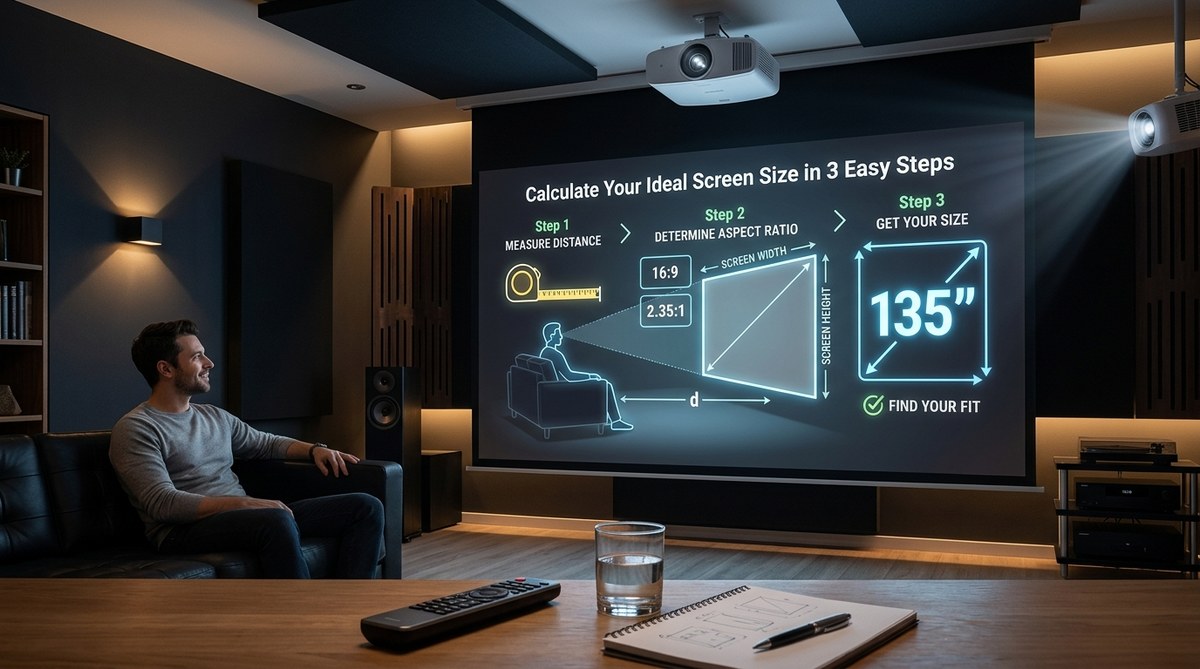
TV Viewing Distance Guide: Discover how the TV screen size and image resolution relate to your viewing distance for a truly immersive viewing experience.

Note: This guide deals with 2D TV viewing; for 3D HDTVs, please refer to our article 3D TV Viewing Explained.

 Home Theater Guides:

Recommended Technical Guides 

Plasma HDTV Guides:

Is a Plasma HDTV still worth considering against the latest LED TVs? The present tough economy seems to have turned out to be good economy for plasma television sales - with the biggest surge ever. But is a Plasma TV still worth considering against the latest LED TVs?

Plasma Televisions: What to look for: Discussing the features to look for when buying a Plasma TV set.

Plasma vs. LCD vs. LED TVs: A detailed comparative guide to choosing between a plasma, LCD and LED TV.

How-it-Works Plasma Display Technology: Describing the principles behind flat-panel plasma displays.

Protecting your Plasma TV Investment: Simple steps you can take to keep your plasma TV unit performing at its best.

Plasma TV FAQs: Answers to a comprehensive list of Plasma Television FAQs, covering use, technology, and even fictions you might have heard or read about.

Miscellaneous Articles

The Smart TV Guide: Smart TV promises a whole new experience in the world of TV entertainment. But what exactly is smart TV? Is it really more than just a PC experience over a big screen? Discover more in this guide to smart TV.

HDMI Cable Guide
An easy-to follow guide that explains all you need to know about HDMI.

3D Television FAQs
Questions always crop up with a new technology. We do our best to answer most of the common questions in this FAQ.

Available Rack Solutions for the Home Theater: AV racks range from industrial style EIA 310-D compliant 19-inch rack enclosures to the more decor friendly rack solutions.

Understanding HDTV formats
Discover the strengths and weaknesses of the different HD formats - 720p, 1080i, and 1080p - in this HDTV Guide.

Contrast Ratio Explained
To what extent high contrast ratios affect the performance of a home theater projector or an HDTV?

Featured 2011 Samsung Plasma HDTVs

Check out for the latest offers on Samsung Plasma HDTVs at amazon

Suggested Wall Mounts & Media Cabinets

Featured solutions at amazon.com

Find us on Facebook

Follow us on twitter


Subscribe To This Site [?]

XML RSS

Add to Google

Add to My Yahoo!

Add to My MSN

Subscribe with Bloglines


Please Note:

Double-underline links represent additional info related to the page content supplied by Kontera. To view this info, place your cursor over these double-underline links.


References used in this article:

Samsung website for the latest technical specs and product manuals for 2010 Samsung Plasma HDTVs.
http://www.samsung.com/us/

Cnet reviews - Samsung PNC590 Series review by D. Katzmaier, dated May 20, 2010.
http://reviews.cnet.com

Customer feedback for PNC550 and PNC590 Samsung plasma HDTVs posted at amazon, Best Buy, and B&H Video for the different Samsung plasma TV sets.


Next: Part 4: Samsung 3D Plasma TVs

Back to Article Index

Plasma Section - Main Index

Plasma TV Reviews

Home Page