![]() |
|||||||||||||||
![]() |
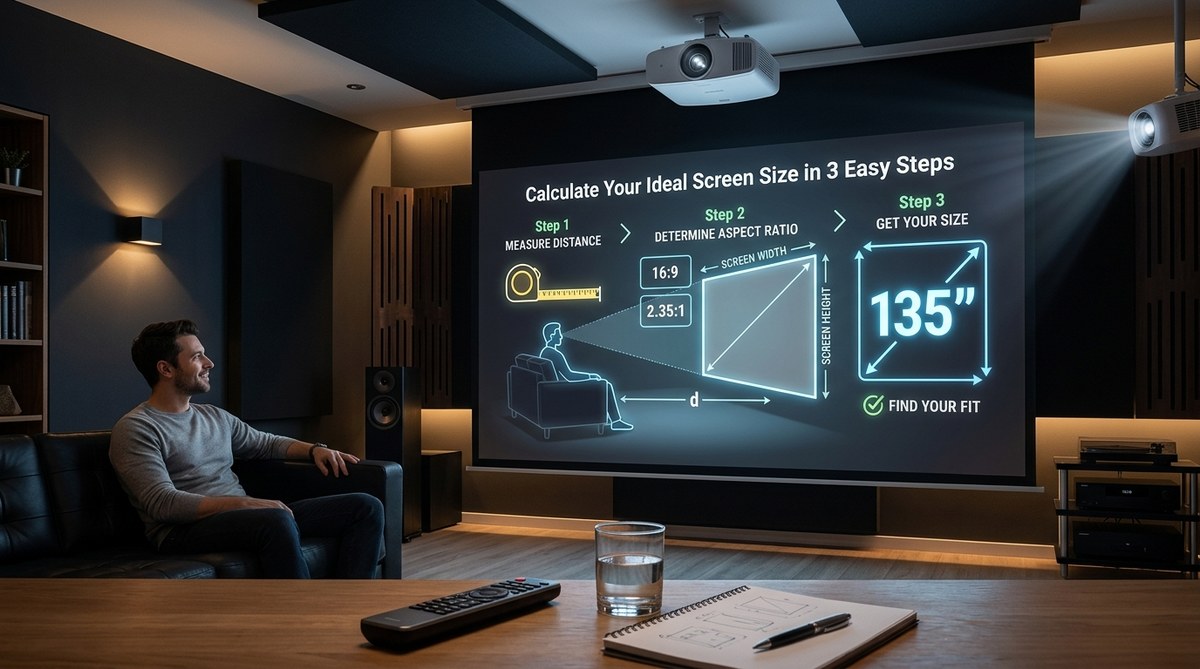
Plasma vs LCD TV: Screen Size & Price IssuesIntro: 'Screen SIZE' and 'PRICE' represent the two most basic considerations one should look at before any other consideration when buying a TV. Available budget will determine the available options, while the desired screen size may eventually determine the technology to opt for. These two basic considerations are also interrelated in that price increases as the screen size increases. Interesting is that when comparing plasma vs LCD, this increase in price with screen size varies from one display technology to another. What may be prohibitively expensive for one, may turn out to be rather inexpensive for the other.
Plasma vs LCD: Display Screen SizeUp to the recent past, the issue of 'plasma vs LCD TV' would only arise in the 40-inch to 50-inch screen size range, in that collision between LCD and plasma TVs used to occur only within these screen sizes. This is no longer the case; both plasma TVs and LCD televisions are coming out in larger sizes. The biggest plasmas are a 102-inch prototype from Samsung and a 103-inch from Panasonic. Both Samsung and Panasonic are among the biggest manufactures of plasma display panels. And what about LCD TVs? During CES 2006, Samsung and Sony had come up with the then largest LCD panel, an 82-inch prototype LCD TV. However, during CES2007, Sharp presented an LCD giant that is 108-inch in diagonal - that's over two and a half meters long! In other words, it seems that when comparing plasma vs LCD TV sets, size does not represent a limitation to either technology. At the same time, one cannot but remark that producing a 1080p LCD display panel of this mammoth size without pixel defects is more of a technological challenge than producing a plasma display of the same size. The implication on the production is to ensure that the six million plus transistors etched onto the surface of the LCD glass substrate are all fully functional and without defects. But prototypes apart, what sizes are available to the end customer? Both plasma and LCD TVs are readily available in screen sizes up to around 70-inch. A 103-inch (TH-103PZ600U) HDTV plasma model from Panasonic is also available, though at $70,000, it would be difficult for this massive plasma to find its place in home entertainment. With LCD TVs, anything above 60-inch diagonal is - to say the least - too expensive for most home theater budgets. The Sharp LC-65D90U 65" LCD HDTV in the famous Aquos range of Sharp LCD TVs (pictured above), is selling at $18,000. Move further up to the slightly larger 70-inch model from Sony, the BRAVIA KDL-70XBR3 and expect to pay some $30,000 for a model of this size. More affordable at $7,500 is the Samsung LN-S5797 57" 1080p LCD HDTV. It is true that it is a bit smaller than the Sharp, but when considering the big difference in price between the two, the Samsung represents a more affordable alternative at this screen size. Interesting is that both the Sharp and the Samsung LCD TV sets make use of innovative, though different backlight technology that yields improved color freedom. Unfortunately, at such big screen sizes, choice for an LCD HDTV is still very much limited. Nevertheless, if you want an LCD TV of this screen size and you can afford it, it is readily available.
The situation with plasma televisions is slightly different. You have more choice at the larger screen sizes. Interesting products include the latest Samsung HPR6372 63 Inch Plasma HDTV, selling at under $5,500, the TH-65PHD8UK 65" Panasonic Plasma HDTV, and the LG MU 60PZ95V - 60" HD plasma TV, selling online at $4,500. On the other hand, at the smaller end of scale, namely 15” to 34” TVs, LCD is the only way forward if what you want is something stylish and slim. Top-sellers in this size bracket include the relatively inexpensive Samsung LNS3251D 32" Wide LCD HDTV, and the equally affordable but slightly smaller Sharp LC-26DA5U AQUOS 26" HD-ready LCD TV. Plasma vs LCD - Size ADVANTAGE: If you were to compare plasma vs LCD TV sets for available screen sizes, it is clear that both technologies are playing on level ground, though... You have more choice when it comes to plasma televisions for screen sizes greater than 50-inch. This is partially explained by the fact that while production costs and retail prices have come down for both technologies, plasma still leads as far as production cost and capacity go. On the other hand, at the smaller end of the spectrum, i.e. 37-inch, LCD is the dominant technology, while anything smaller than 37-inch implies LCD. Plasma vs LCD: Flat-panel TV PricesPrice is always a big issue when choosing a flat panel TV. Although prices vary, yet when comparing the prices of plasma vs LCD TV sets, LCD televisions tend to be more expensive than their plasma counterpart - especially at the larger screen sizes. Just compare the present price tag for the Panasonic TH-58PX60U 58" Plasma HDTV (reviewed on our site here), with that of the Samsung LN-S5797 57" 1080p LCD HDTV. You would soon find that the Panasonic plasma is almost selling at less than 50% the Samsung LCD TV. One may argue that such a price comparison is not being carried out on level ground in that the Samsung LCD HDTV has a native screen resolution of 1920x1080-pixels while the Panasonic plasma television comes with 1366x768-pixels. This is true - this higher resolution has its share in the product price, but this is not the only reason. The higher price tag associated with LCD TVs is also partly the result of the production process itself. Production processes for plasma displays still support a better yield and thus carries a pricing advantage, especially at the larger screen sizes. This contrasts heavily with LCD display technology where an estimate of more than 30% of all manufactured panels have to be discarded because of defects leading to what are known as 'bad-pixels'. This also explains why manufactures would never guarantee that an LCD display panel is completely free from bad pixels. Recent developments in the manufacture of LCD displays has led to a substantial drop in the price of LCD panels in the 32-inch to 46-inch screen sizes. In fact, the latest prices of LCD HDTV within this screen size range are more in line with those of plasma televisions of the same screen size. Some LCD TV models are even selling on par with their plasma counterparts.
The immediate aim of LCD panel manufactures is to lower the production costs further to render 50-inch LCD televisions more competitive against same-sized plasma display panel TV sets. This will shift the plasma vs LCD size battle even further up the size scale. The reason: the 50-inch size is expected to become the real favorite screen size on the 'home entertainment' market. Plasma vs LCD - Price ADVANTAGE: The playing field is leveling at a fast rate. Up to less than two years ago, the plasma vs LCD price issue was non-existent - plasma was the obvious choice for all screen sizes where collision between the two technologies occurred. This is no longer the case. In general, plasma still leads by a good margin only at the bigger screen sizes - 50 inch and larger - with the pricing advantage getting more pronounced as one approaches the 60-inch diagonal. But then, against this higher price tag, LCD HDTVs come with more pixels per display panel. At the smaller end of the spectrum (37 to 44-inch), the plasma vs LCD TV price advantage starts to shift towards LCDs. This in view that though plasmas and LCDs are practically selling at the same price tag, LCD TVs deliver more pixels for the same screen size.
Next: Plasma vs LCD (2) - Picture Considerations ...back to Plasma vs LCD Comparative Summary
|
Copyright © - Practical-Home-Theater-Guide.com All rights reserved. |
|||||||||||||
|
Last Update: Lots more info at Practical Home Theater Guide Suggested Further Reading:
Choosing a
Plasma Television
TV Viewing Distance
The
Contrast Ratio Game!
Should You Opt for
a 1080p HDTV?
Quick
Guide to DVI
HDMI
Cable Guide
RGB &
Component Video, or DVI & HDMI?
HDCP and HDTV:
Home Theater
Set-Up DVDs
Home Theater Design:
Audio Video
Equipment Racks
A Quick Guide to A complete e-Book on how to research, design and build your own Home Theater. by Duncan McClelland
Plasma and LCD @ amazon
|
|||||||||||||||
|
|
|||||||||||||||