|
|||||||||||||||||
| Home Page - Plasma TV Reviews - 2009 Panasonic Plasma HDTV Reviews (1) 2009 Panasonic Plasma HDTV Sets - Part 1The New
Panasonic Viera Line of
|
A Quick Guide to Home Theater Design
An easy-to-follow e-book on how to research, design, and build your own
by Duncan McClelland
Review Date:
Update: |
||||||||||||||||
|
|
|||||||||||||||||
Introducing the 2009 Line of Panasonic Plasma HDTVs:Panasonic plasma HDTVs are often the preferred choice among demanding consumers looking for affordable top-performing HDTVs. While so far Pioneer Kuro plasma HDTVs have always been rated as the best, yet there is no doubt Panasonic is a world leader in Plasma display technology - delivering plasma TVs characterized by superb black levels and overall solid picture performance. Now that Pioneer has stopped producing HDTVs, many are looking at Panasonic as the new king when it comes to flat-panel plasma HDTVs. With Pioneer out of the HDTV scene, Panasonic is there to claim the throne - despite the fierce competition from its only real competitor in the market - Samsung. For this year, Panasonic has come with one of the most comprehensive lineups ever despite the present shrinking plasma TV market. In total, consumers have a choice of 29 different models - that's almost twice the number of plasma HDTVs released by Panasonic for 2008. The new Panasonic plasma HDTV lineup is spread over ten series. Sizes range from 42-inch up to a massive 65-inch HDTVs and include the rather uncommon 46-inch for plasma TVs, originally introduced by Panasonic in 2008, and new for 2009 among a number of brands, the 54-inch. Admittedly, with such an extensive lineup, choosing a Panasonic plasma HDTV is far from easy. But choice becomes easier once these HDTVs are sub-grouped under the respective categories:
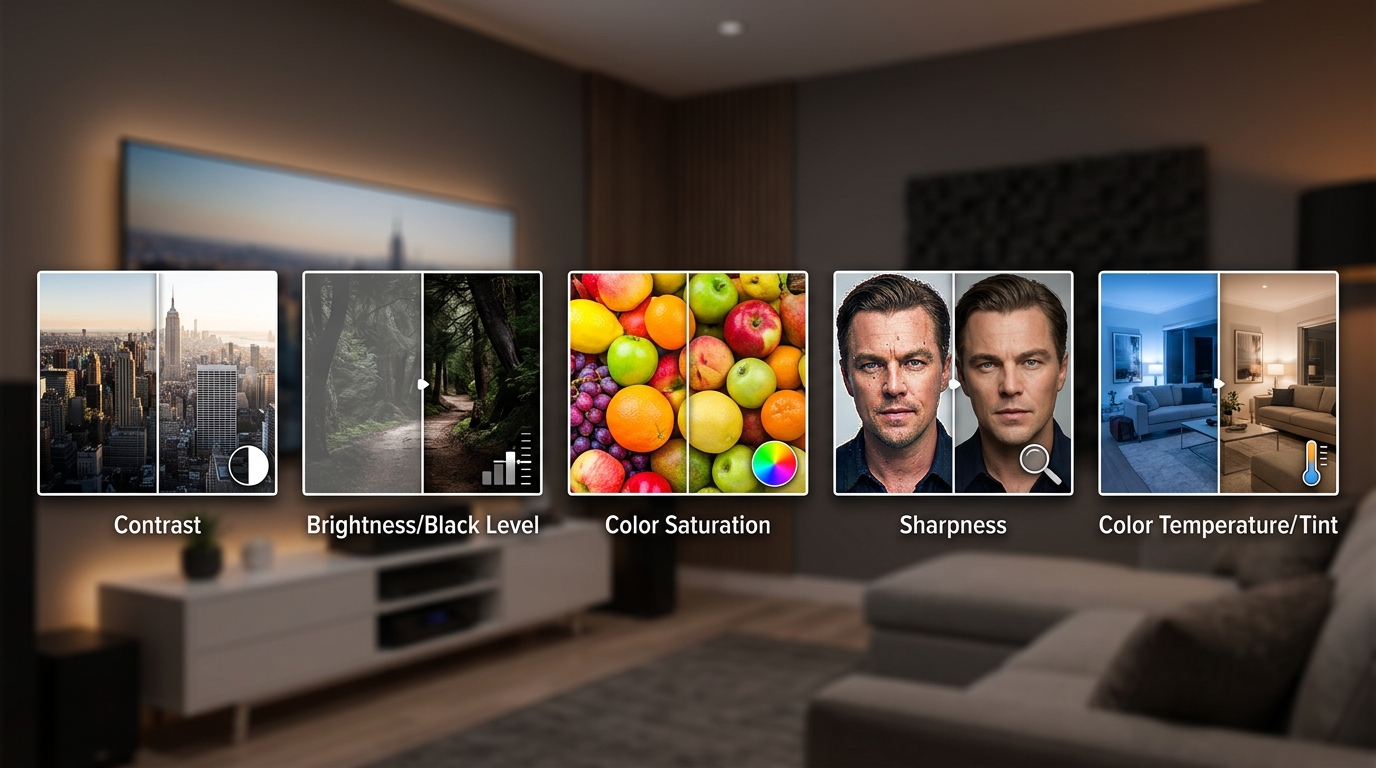
Popular models within the full Panasonic Plasma HDTV line for 2009 include the 50-inch Panasonic TC-P50X1 720p HDTV and the 50-inch Panasonic TC-P50S1 1080p HDTV; this is all thanks to their inexpensive price. However, best selling overall is the G10 series of Panasonic plasma HDTVs - with the 50-inch TC-P50G10 and the 46-inch TC-P50G10 being among the top-selling HDTVs at major online stores irrespective of any HDTV category. Thanks to its THX display certification and the right price tag, many consider Panasonic Viera G10 HDTVs as delivering the best picture for your money and a worthy substitute to the soon-to-be extinct and significantly more expensive Pioneer Kuro PRO-111FD. The latter is regarded as the best HDTV ever released for deepest blacks and spot-on color accuracy. Panasonic Plasma Lineup - Main improvements for 2009:Improvements over previous lineups are many. All 2009 Panasonic Viera plasma HDTVs come with the latest 12th generation plasma display panels, except that S1, G10, G15, V10, and Z1 series HDTVs are provided with a NeoPDP display panel whereas the rest have a standard G12 PDP panel. NeoPDP Display Panel: This represents one of Panasonic much touted improvements for 2009. While all G12 panels support improved brightness levels - something which comes useful under bright lighting, yet the NeoPDP version delivers this improved brightness at significantly lower power consumption - thus making NeoPDP sets more eco-friendly without compromising on image brightness. According to Panasonic, these new NeoPDP panels are twice as bright as standard plasma panels while consuming half the power. This power consumption issue has so far being a major hurdle plasma displays had to overcome with respect to their LCD counterparts. Plasmas have always used more power than LCDs - which power increases with an increase in the display resolution. Thanks to the new NeoPDP plasma displays, Panasonic has managed to narrow the gap between these two display technologies - even though LCDs are still more eco-friendly when it comes to power consumption. We said 'without compromising on image brightness.' While the new Panasonic NeoPDP display panel is truly capable of higher image brightness levels, yet as with most Energy Star 3.0 compliant HDTVs, the new Panasonic Plasma HDTVs come with a rather dim picture for most viewing environments when selecting the set Standard default picture mode. The reason for this dim-by-design setting is often being done by most TV makers to ensure that their HDTVs qualify for Energy Start requirements. NeoPDP panels also support superior mega dynamic contrast levels; more specifically, Panasonic NeoPDP panels have a rated 2,000,000:1 dynamic contrast, this apart from a 40,000:1 static contrast rating. Instead, standard G12 panels have a rated native contrast ratio rating that hovers at 50% that of NeoPDP panels. This means however that even Panasonic new G12 standard panels are capable of extremely high contrast performance ratings. The real significant difference between standard and NeoPDP panels is the lower power for the same display brightness levels of the NeoPDP sets. All G12 Panasonic plasma display panels have a specified 100,000hrs rated life before fading to half brightness - that's equivalent to over 34 yrs at 8hrs a day of TV viewing! They also make use of an improved anti-reflective AR coating that does a great job in attenuating ambient light and glare under bright lighting. Directly related to the set display panel is the front sheet of glass used to protect these plasma display panels. Termed Viera Tough Panel, this sheet is said to be resistant to impact - something which should be particularly reassuring for families with small children and gamers who use motion controllers. A further addition to the line of interesting specs for 2009 is the so called 600Hz sub-field drive which results in improved motion resolution. When referring to a sub-field drive in plasma displays, this is referring to the method used to drive the individual picture elements, or pixels. For each frame displayed on the TV, the sub-field drive flashes the pixels 10 times, meaning that the each picture element is flashed 600 times per second (600Hz) for 6o frames per second video content. Many would tell you to ignore the 600Hz sub-field drive in as much as most reviewers would also tell you to ignore the 240Hz refresh rate with the latest LCDs. There is a simple reason for this. These numbers basically mean superior motion resolution that leads to sharper images when displaying fast moving action such as during sports and gaming applications. Yet as further explained in our recent Series 7 Samsung LCD TV review, the difference is one that is often hard to discern with the unaided eye. In other words, these 'big' numbers are mainly designed to help sell the product rather than to help you experience a significant difference in product performance. All 2009 Panasonic plasma HDTVs also come with a full suite of anti-image retention features to help deal with temporary burn-in should this occur. Luckily, burn-in is no longer worth worrying about with the latest plasma HDTVs but it is always re-assuring to know that the feature is there should you need it. All new Panasonic Viera HDTVs have improved native contrast ratio over corresponding 2008 models - this apart from their mega dynamic contrast performance we have already referred to above. There is also Viera Link for ease of control of various interconnected AV devices using a single Viera remote control, Viera Image Viewer for playback of JPEG files over the included SD Memory card slot, and multiple HDMI inputs. You would not find a PIP mode on any Panasonic plasma HDTV series; this applies even to the more expensive series and including the 54-inch Panasonic flagship TC-P54Z1. In a similar manner, you cannot temporary freeze the picture to catch a phone number or some other detail during a commercial. Equally missing is a standard analog stereo output on all entry-level 720p and 1080p HDTVs. And unlike most HDTVs from Samsung and LG, these Panasonic plasma HDTV sets come with a rather skimpy set of user picture controls. All basic picture controls - Contrast, Brightness, Color, Tint, and Sharpness - are there and all picture modes are user adjustable while the 'Custom' picture mode also enables you to adjust the settings independent per input. But basically this is all you get. Most series within the Panasonic plasma HDTV range for 2009 - including entry-level X1 line of Panasonic plasma 720p HDTVs - come with a Game mode. Panasonic says that this delivers quicker image response while also producing darker images more clearly. However unlike other TV makers, it seems that more than anything else, the Panasonic game mode as implemented on these plasma HDTVs is just another picture mode. It does not eliminate any video processing to help minimize delays between the player and the action on the screen. Moving further up the more expensive series within the 2009 Panasonic plasma HDTV line reveals a whole list of interesting features and enhancements; main features include: A THX display certification on all premium series, namely the G10, G15, V10, and the Z1 when engaging the THX picture mode. The THX mode on the Panasonic offers the best default picture setting. To a certain extent, it makes up for the lack of user picture controls already referred to above in that it renders the need for additional user-picture settings almost unnecessary. The Panasonic implementation of the THX picture mode is in our opinion the best 'one-step calibration' we have ever come across. VieraCast: This feature was originally introduced last year on 2008 Panasonic flagship PZ850U series. VieraCast is Panasonic way of providing interactive TV features by enabling viewers to access online content direct on the set screen through an internet connection via the set Ethernet port. Unlike Samsung, Panasonic do not provide a wireless adaptor but Panasonic states that any third-party wireless network adaptor will work with its HDTVs. Like the THX display mode, VieraCast has now been made available on all premium series - G10, G15, V10, and Z1 series. Online services currently available include YouTube videos, Picasa photo sharing, Bloomberg news and stock information, local weather, up-to-the-minute content from USA Today, and new for this year implementation of VieraCast, the ability to access Amazon Video on Demand. Viera Tools: This is an interesting feature that has found itself on all series and makes for a simpler and faster user interface. Just press the Tools button on the remote to select the respective icon on the screen to access the respective menu.
Panasonic uses a 60GHz millimeter wave radio system as established by the WirelessHD consortium. This wireless system is used by others like LG. It supports a data rate of up to 4 Gbps to enable full uncompressed 1080p video and audio transmission between the AV box and the display panel for up to 10m in a room. Affordability - High on Panasonic AgendaAs expected, high-end Panasonic plasma HDTVs do not come cheap - with higher-end THX display certified V10 series HDTVs selling at $1,800 for a 50-inch TC-P50V10 and close to $2,600 for the 54-inch TC-P54V10. These higher-end HDTVs are not just more expensive; in the case of the Panasonic, you also get what you pay for. Despite the solid performance of its entry-level HDTVs, when it comes to picture quality, the more expensive series deliver a better overall picture. Surely, these prices fall in a bracket where if it were not for the superior picture quality of these Panasonic plasma HDTVs, these Viera TVs do not offer much of a price advantage with respect to their LCD competition. Despite this higher price tag associated with Panasonic Viera premium plasma HDTVs, there is no doubt that affordability is high in this year Panasonic agenda - something which Panasonic addresses through its entry-level series. The aim is to reach a much wider consumer market. This is also evident from the fact that Panasonic is no longer differentiating between its plasma and LCD lineups and instead is referring to both as simply Panasonic Viera HDTVs Panasonic entry-level 720p and 1080p Plasma HDTVs are characterized by a relatively inexpensive price tag, excellent black level performance, and solid connectivity complemented by three HDMI inputs. They do tend to suffer from a slight color inaccuracy but nothing preoccupying and surely not enough to tarnish their overall solid picture performance. Rather, thanks to its new 2009 entry-level plasma HDTVs, Panasonic is delivering an extremely affordable line of budget plasma HDTVs that strike the right balance between price, features, and overall performance. We say affordable because with its new 2009 line, Panasonic has managed for the first time ever to break the sub-$1000 price barrier for 50-inch plasma HDTVs - thanks to its new 50-inch Panasonic TC-P50X1 720p HDTV. This is presently selling at amazon for $900 - almost $300 less than what a corresponding 50-inch 720p Panasonic plasma HDTV would have sold a year ago! OK, here we are speaking of a 720p HDTV. But the informed buyer knows that at a screen size of 50-inch and under, it is practically impossible to perceive any difference in picture detail between a 720p and a 1080p HDTV from normal viewing distance. Furthermore, this is one of those few inexpensive HDTVs that has scored well in both professional and consumer reviews. Despite its slight inaccurate primary colors of red and green, this entry-level Panasonic Viera HDTV offers one of the best price deals at this screen size. Even at the 1080p category, entry-level 1080p Panasonic plasma HDTVs are equally affordable. A case in point is the 50-inch Panasonic TC-P50S1 1080p HDTV which is selling online at under $1,150 - a rather inexpensive price tag for a name-brand 1080p HDTV from a top TV maker. And this is not any TV but one that comes with the newly introduced 12th generation 1080p Panasonic Viera NeoPDP display panels already referred to earlier on in this article. This S1 Panasonic plasma HDTV is capable of very deep blacks, solid good color saturation and superb shadow detail. Thanks to its NeoPDP display panel, the TC-P50S1 is also capable of delivering a much brighter image while consuming less power. It is true that as with its 720p brother, this 1080p plasma HDTV suffers from a slight color inaccuracy - but again, nothing pre-occupying. Rather, thanks to its superb picture quality, the Panasonic S1 series represents one of the very 'best-value' HDTV deals presently available on the market. 2009 Panasonic Plasma HDTV Lineup: A Detailed LookAs expressed earlier on in our introduction, while the vast range of Panasonic plasma HDTVs for 2009 makes selection rather difficult, yet things would get simper once these HDTVs are sub-grouped under their respective categories. We therefore though of grouping these under entry-level 720p, entry-level 1080p, and premium/flagship series. In the remaining parts of this article, we will discuss easy of these in detail to help you better evaluate where each of the Panasonic series fits best. The links below will take you straight to the respective section within our 2009 Panasonic Viera plasma HDTV product guide. 2009 Panasonic Plasma TV Product Guide - Index:Entry-level 720p Series: Reviewing the Panasonic Viera X1 Series... covering also the X14, and C1 series. Entry-level 1080p Series: Panasonic S1 plasma HDTVs with the new NeoPDP energy efficient display... discussing also the S14, and U1 series. Premium Series: Panasonic G10 THX-Display Certified HDTVs... with reference also to Panasonic slim G15 series. Panasonic V10: Panasonic high-end series for the videophile. For a detailed review of the V10 Panasonic plasma HDTV series, please refer to the second part of our Samsung B860 vs. Panasonic V10 discussion. Update - Feb. 5, 2010: According to a thread on the AVS Forum site, some Panasonic plasma TV owners have experienced a sudden unexplained lowering in the black level performance of their Panasonic plasma TVs. Click here for more information.
|
Featured Reviews and Product Guides
Panasonic Plasma TVs: Are these having a
problem with their black levels? 2009 Samsung plasma TV Reviews:
Samsung
Plasma Lineup:
Samsung
Series 6:
Samsung
Series 8: 2009 Panasonic Plasma TV Reviews: Review: X1 entry-level 720p HDTVs - covering also the X14 and the C1 Review: S1 entry-level 1080p HDTVs - covering also the S14 and the U1 Review: G10 THX-certified Premium 1080p HDTVs - covering also the G15 series The Panasonic V10 in detail - Reviewing the best-rated Panasonic plasma TV for 2009 More 2009 Plasma TV Reviews
Cheap Plasma TV Reviews - 2009 Update: 2009 Best Plasma TVs
- Samsung B860 vs. Panasonic V10:
LG Plasma TVs:
Recommended Technical Guides The Complete LCD TV Guide:
Plasma Television Digital TV
Guide to Digital Satellite TV
The HDMI Cable Guide TV Viewing Distance Should You Opt for a
1080p HDTV? Home Theater
Design:
Check out for the latest offers on Panasonic Plasma TVs at amazon
Cheapest plasma TV from the 2009 Panasonic Plasma HDTV lineup
Best-selling Panasonic plasma HDTV for 2009
The most affordable 'slim' styled plasma from Panasonic at this screen size.
Rated as the best performing plasma in the post-KURO era
Expensive but extremely stylish - with an inch-thick profile, THX display certification, and wireless HD.
For the full range of
Search for the best offers on Panasonic Plasma HDTVs with Shopping.com
|
||||||||||||||||
|
[?] Subscribe To This Site
Subscribe
to our free e-zine to remain abreast with the latest additions to our
website.
|
|||||||||||||||||
|
|
Would You like to get the best out of your HDTV? There is no better way to make the most out of your new HDTV then to invest in a set-up DVD. A great calibration disc is the Avia II Home Theater Set-up DVD, an exceptional AV calibration tool for both the novice and the expert.
Another interesting
calibration disc is the
Digital Video Essentials HD For more information, please check our Guide to HT Set-Up DVDs. |
|||||||||||||||
|
|
||||||||||||||||
|
... next: 2009 Panasonic Plasma HDTV Guide - Part 2: Entry-Level 720p HDTVs
|
|||||||||||||||||
|
About
Me
|
About the
Site Content
|
Terms
of Use / Disclaimer
|
Privacy Policy
Information on this website represents the author's opinion and does not constitute professional advice; please read our terms of use and privacy policy before using this site. Copyright © - Practical-Home-Theater-Guide.com All rights reserved. |
|||||||||||||||||