![]() |
||||||||||||||||||||||||
![]() |
As with most set-up DVDs, the Digital Video Essentials DVD is divided into two main sections. There is a general how-to guide that explains important home theater concepts, and the actual collection of reference video test patterns and audio test signals for system calibration purposes. These explanations are extremely informative and complete, and include details that other discs miss. But the actual how-to explanations of the various setup routines are not that straightforward and may be even difficult for beginners to follow. Navigating the DVE DVD is not as user-friendly and intuitive as one would like it to be - at times even frustrating. Surely, there is a great deal of material to deal with - including setup instructions and a multitude of test patterns. But it is simply not easy to jump to a different test or to an instruction screen once you start a particular test series. In this respect, the AVIA DVD is much better.
The DVE On-Disc Tutorial: As already indicated, the tutorial part is highly informative; in this respect, Digital Video Essentials contains a wealth of information for both first-time home theater users, and seasoned audio/videophiles. It covers topics like the effect of ambient room conditions on picture and sound quality, color temperature, progressive scan vs. interlaced video, MPEG decoding, and grayscale. There is also a short section that discusses why component video is the best analog connection choice; to top-up the whole tutorial part, there is also a brief history of how video has evolved into what it is today. Some of the topics covered in the tutorial do not necessarily pertain to system calibration - but are still interesting to go through. Unfortunately, at times, the tutorial part of Digital Video Essentials disc appears to be randomly organized - jumping from one topic to another with hardly anything that leads the viewer along the transition. Furthermore, while some topics are well explained in layman terms, others - e.g. how high definition signals are broadcast, etc - include an unnecessary high level of technical jargon that may be confusing for the new comer. To a certain extent, it seems as if the Digital Video Essentials set-up DVD is unable to decide upon the type of audience it is targeting. While some of the introductory material may be too simple for advanced users, yet the use of technical terms in some of the explanations seems to imply that the DVE DVD expects some sort of prior knowledge on part of the user. There is also the issue that Digital Video Essentials does not explain how to use the advanced test patterns; instead, documentation for these patterns is available from Joe Kane Productions' website in the form of a 70-page PDF file.
If you are considering investing in the DVE disc, we suggest downloading this PDF file to get a better understanding of what the advanced test patterns are all about. You will need it anyway should you decide to purchase Digital Video Essentials. (Click on the respective link to start the download).
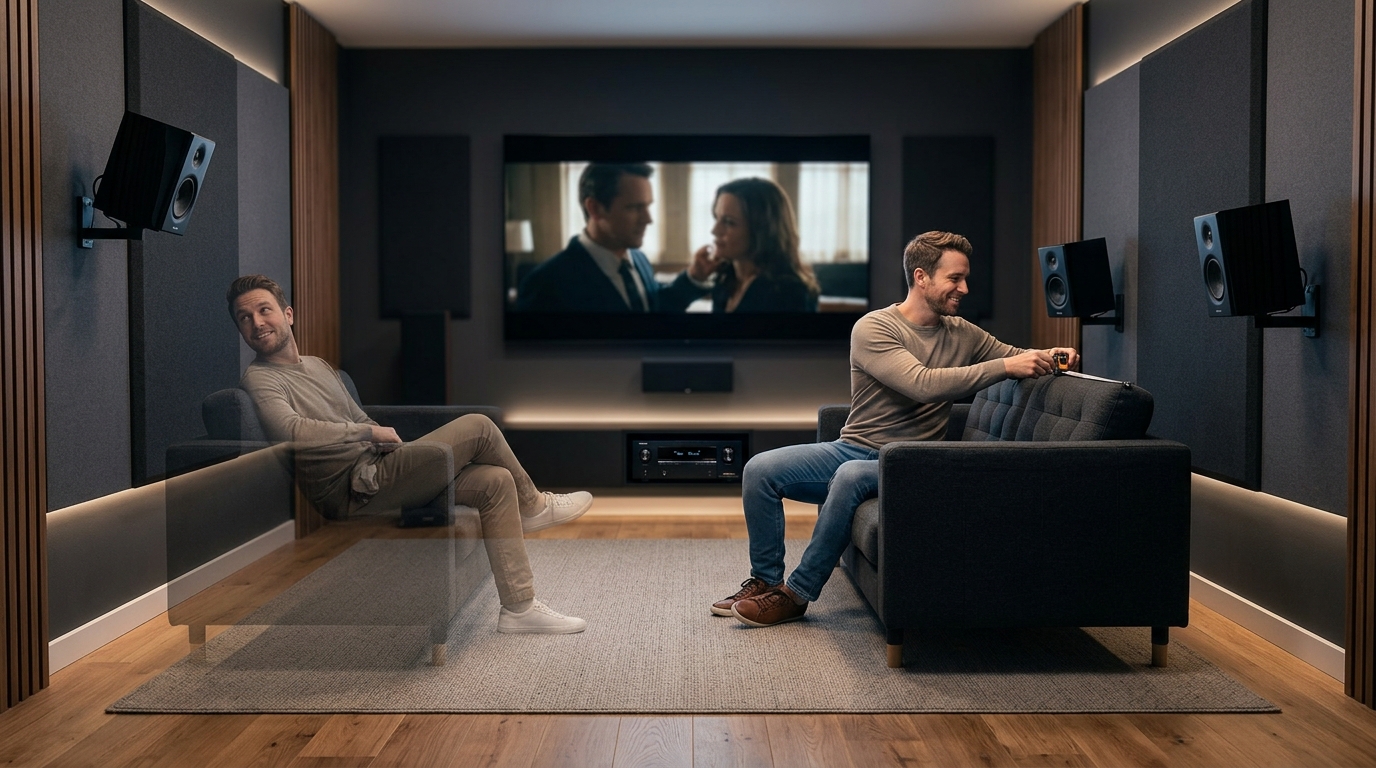
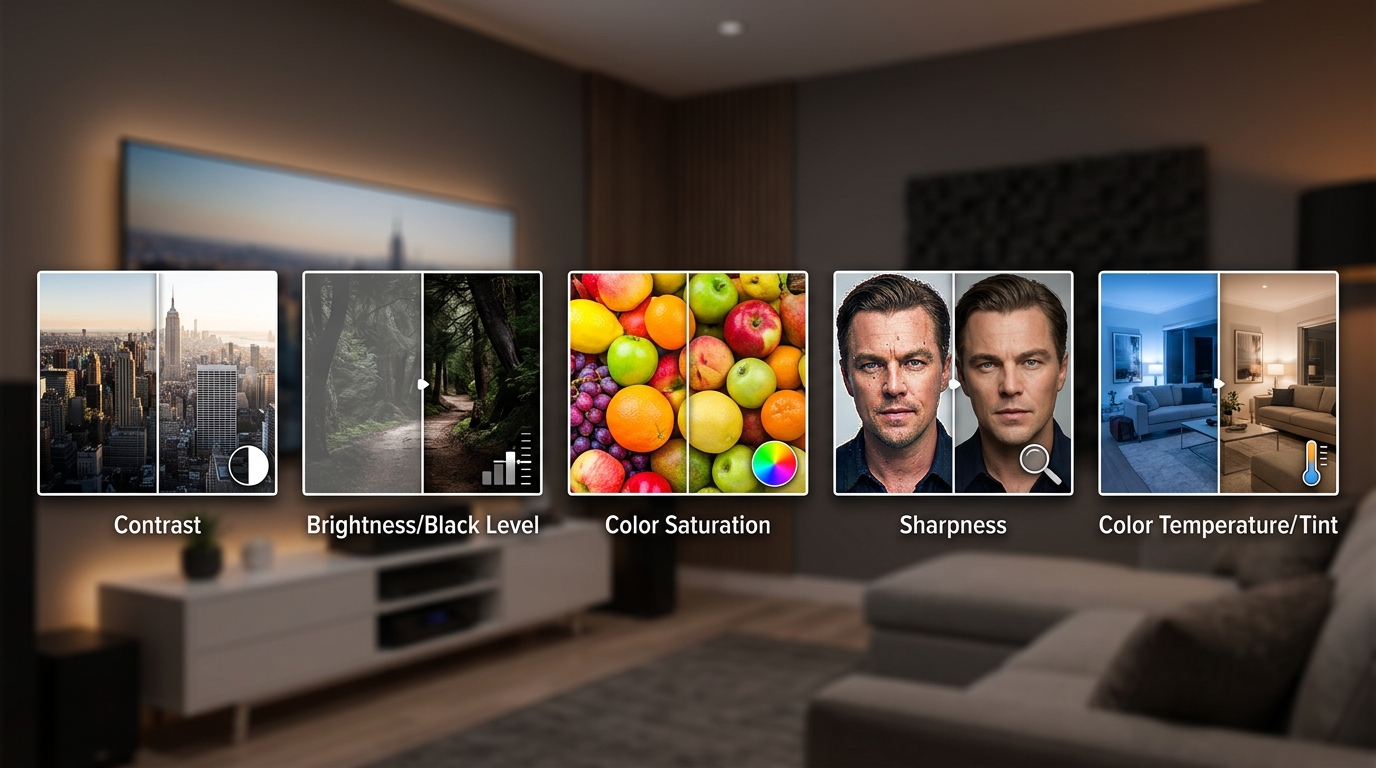
The audio section of Digital Video Essentials is much easier for the new comer to comprehend. It goes into discussing present-day technology, while explaining various issues such as the differences between Dolby Digital and DTS, as well as different audio connections such as coaxial digital audio and TOSlink. It also has a guide on speaker placement for both 5.1 and 6.1 channel surround systems. Included under the audio section are a number of well presented visual diagrams that should prove useful during the audio calibration process. As with all set-up DVDs, the heart of Digital Video Essentials disc is the comprehensive suite of audio test tones and video reference test patterns for equipment calibration purposes. Audio Calibration: Digital Video Essentials has many different test tones for the calibration of multi-channel audio. The Audio Setup section guides you through all of the necessary steps to getting your system balanced. Level adjustment tones include a helpful visual diagram, highlighting which speaker the sound should be coming from. As already highlighted in our intro discussion on home theater calibration DVDs, you would need a Sound Pressure Level (SPL) meter to correctly balance your audio system, and this applies irrespective of which set-up DVD you use. An inexpensive model such as the Galaxy Audio CM130 SPL Meter is more than adequate for the purpose. There are also sections that will test phasing of your speaker system as well as sweep modes to assist with proper bass integration and sub-woofer calibration. It does not have the vast array of tones supplied with the AVIA disc. In this respect, DVE misses out on some of the advance audio test tones found on the AVIA. These advanced test signals will allow you to set every aspect of your system with the aid of additional test equipment. Yet there is still ample material with which to calibrate your speaker system and evaluating your system’s audio performance. In particular, the onscreen graphic representations of your speaker system, combined with the pink noise tests, makes for an interesting way to see if your system is placing sounds in the correct space. Interesting also are the test sweeps through low frequency tones that may help you locate anything that may be rattling in your room. Video Calibration: Digital Video Essentials comes with an extensive assortment of video test patterns for both basic and advance settings. The 5 main basic settings - brightness, contrast, hue (tint), saturation, and sharpness - are well documented with how-to tutorials describing their use, as well as simulated adjustments so you'll understand the change before proceeding with the actual system calibration. There is also a troubleshooting section, describing common problems that could arise when setting these levels. And as with the AVIA, the DVE disc package includes by a set of three color filters to assist in the color setting of your television or video projector. DVE goes a step further and secures its color filters in a sturdy cardboard frame which is more durable and difficult to lose. As already indicated, the advanced video test patterns are not documented on the DVE set-up DVD; nor is there any information on how to proceed with the more advanced calibration. Instead, Digital Video Essentials urges the viewer to call for professional assistance when it comes to advance calibration. Arguably, you can do a lot of damage when messing around with the more advanced controls unless you really know what you are doing. Yet many of today's video systems allow much more user control than ever - through on screen menus; it is in these circumstances that the advanced test patterns would come in handy.
Conclusion Digital Video Essentials comes with well mastered test patterns, exceptional high quality video footage, and excellent educational content that can serve a purpose for both newcomers and advance users alike, but... While most of the information contained in the tutorial part can be beneficial to all, yet in our opinion, this is not the type of set-up DVD for beginners with limited knowledge of the field. The lack of how-to procedures associated with most of the advanced test patterns, may make Digital Video Essentials a bit too complicated for use by the less technically oriented user. For the newcomer, a set-up disc like the well documented AVIA Guide (reviewed here), or even a less demanding set-up DVD that covers the very basics in system setup without overloading the user with unnecessary information e.g. Ultimate DVD, would most probably prove to be more beneficial. Our recommendation: Digital Video Essentials is an excellent choice for advanced users and professionals who know what to do with the advanced test material available on this set-up DVD. In particular, the advanced video test patterns and high quality reference footage would come in handy especially when used in conjunction with a colorimeter such as the affordable Colorvision STV100 SpyderTV - specifically designed for the calibration of video displays.
|
Copyright © - Practical-Home-Theater-Guide.com All rights reserved. |
||||||||||||||||||||||
|
Review date: Lots more info at Practical Home Theater Guide
More Home Theater Setup DVD reviews: Check also our review of the Datacolor SpyderTV video calibration Kit
Suggested Technical Guides:
Choosing a
Plasma Television
Guide to
LCD HDTVs
Guide to Rear Projection HDTV
Technology
Home Theater Projector Guide
TV Viewing Distance
HDMI
Cable Guide
Audio Video
Equipment Racks
Home Theater Surround Sound Speaker Placement in Multi-Channel Audio Correct home theater speaker placement plays a critical role towards achieving that seamless ‘enveloping’ sound so important in the overall home theater experience.
Time Delay
Settings in Surround Systems
Home Theater Set-Up DVDs
and Calibrations Tools
|
||||||||||||||||||||||||
|
||||||||||||||||||||||||